
Looking back, Jodie says her brother Jason has always been a bit different. He’d been taken advantage of, she said, and was never quite “on the mark”. But when he started relying on notes for everything, making decisions that didn’t add up, acting erratically, the family knew something more was going on.
They pushed him to see a doctor. The doctor said it was anxiety, wrote a prescription, and sent him home.
“I asked my mum, ‘Can you just go with him to the doctors, so they don’t just palm it off with anxiety again’,” Jodie said. Her mum did just that. And this time they ran some memory tests. Jason scored badly. An MRI followed. Then a neurosurgeon. Then a year-long wait for a neurologist who could give the official diagnosis.
Jason has young onset dementia, caused by a cyst in his brain. He was 46 at the time of diagnosis.
“It was like a limbo for a year knowing he’s got it, but not being able to do anything about it,” Jodie said.
Her story isn’t unusual. That long, uncertain stretch between suspecting something is wrong and finally having it confirmed often wears families down before anything has even properly begun.
A new dementia diagnosis
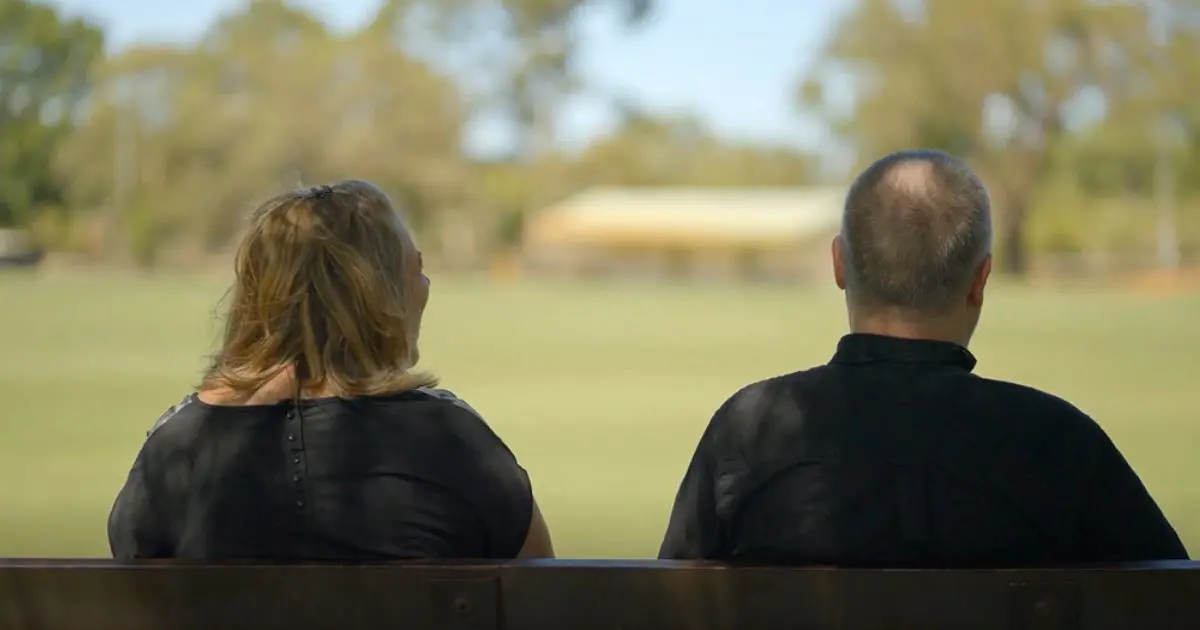
People talk about a dementia diagnosis like it’s a single moment. But for most families, it’s more like a slow accumulation of things that don’t quite make sense, followed by months of medical appointments, followed by a word that changes everything.
The emotional responses that come next are as varied as the people experiencing them. Michelle Harris, Brightwater’s Coordinator Specialist Dementia Support, sees the full range.
“Often grief and anger,” Michelle said. “If you think about grief not being linear, often people may be angry that it’s been wrong, that the diagnosis is wrong, so there’s denial, too.”
For family members, there’s guilt, sometimes paralysing amounts of it. Michelle hears it regularly: why didn’t I notice sooner? Why didn’t I push for that referral earlier? What could I have done?
“The shame of the carer not accessing help earlier,” she said. “I can think of several people who said, ‘Why didn’t I get into a Speech Pathologist before he lost his language?’”
For Jodie, the diagnosis actually brought relief. Not because the news was good, but because it was finally clear.
“To be honest, it was kind of a relief that he had a diagnosis because before that, we knew something was wrong; we just couldn’t pinpoint what it was,” she said. “So, to actually have the diagnosis was good because then we can move on to how we can help him.”
But for Jason, it landed differently. Jodie found herself explaining the diagnosis to him again and again.
“I had to go through the explanation of the diagnosis quite a few times with Jason and he kept thinking he was going to die,” she said. “I had to keep explaining to him that, especially for his type, it’s a slow progression, so there’s still lots of time and to make the most of the time.”
That’s one of the harder things about the first year. The same diagnosis can sit completely differently in two people standing right next to each other.
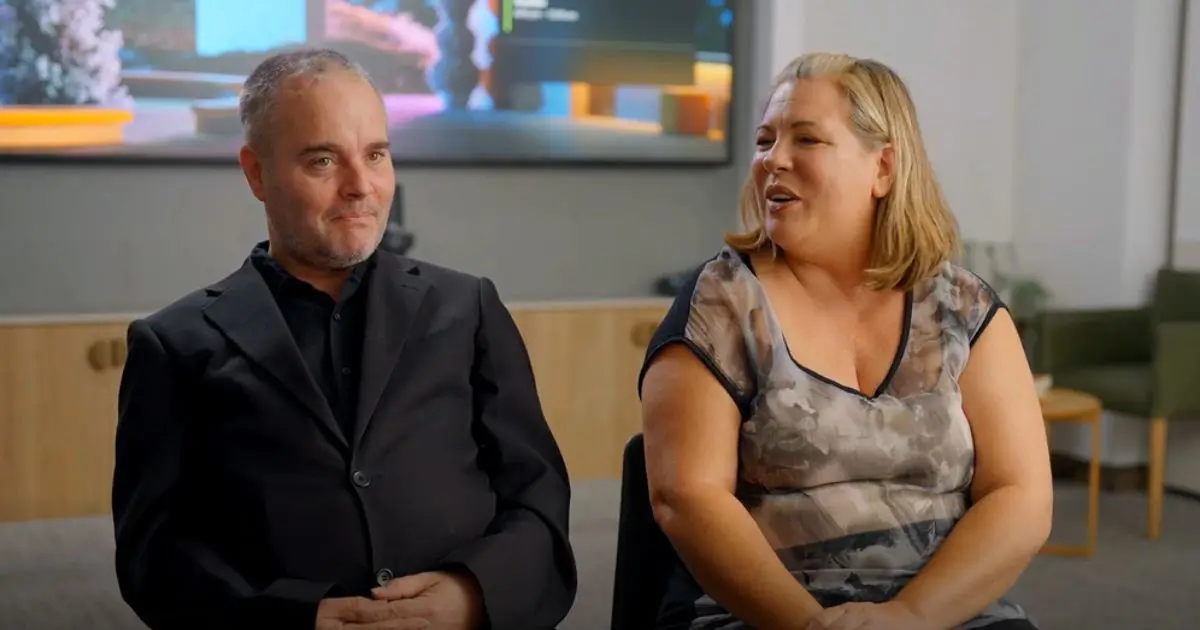
Hear from Jason and Jodie
After spending a year in limbo waiting for answers, Jason and Jodie finally had a diagnosis. What followed was another kind of challenge: navigating support, adjusting to changing family roles and figuring out what came next.
Post-diagnostic support
One of the most common frustrations Michelle sees is the gap between the diagnosis and any meaningful support. A family gets earth-shattering news, and then... nothing. A leaflet, maybe. A follow-up appointment in six months. But no plan, no pathway, no one saying “here’s what you do now.”
“Most of the time, they’re not given any answers as to what to do to keep well and rehabilitate,” Michelle said. “It’s normally, from my experience, ‘go away, stop driving, give up your job, and plan for the future of your life, but there is no cure’.”
She compares it to a cancer diagnosis. As terrible as that experience is, there’s usually a team that wraps around you. You get treatment plans, specialist nurses, and support organisations that make themselves known. With dementia, that often just doesn’t happen. Not automatically.
“People isolate themselves,” Michelle said. “So, the grief and sadness is the biggest thing.
Some families avoid support groups because the idea of sitting in a room full of strangers feels too big, too soon. The person with the diagnosis might not believe anything’s wrong. Their partner or sibling might be too busy with work and children to carve out time for themselves.
And underneath it all, a quiet fear that things are about to get much worse.
Jodie lived this. After Jason moved in with her, she was the one pushing for appointments, fighting for NDIS funding, trying to get him into supported independent living.
“My relationship with him became like a carer more than a sibling,” she said.
She could see him trying to help around the house. He liked to have little jobs, like watering the garden, feeding the cats. But gradually things slipped. The watering started happening earlier and earlier in the day. The tasks that gave him purpose began to fray at the edges.
“It got to the point where it was like I was taking him everywhere out of obligation because he was in the house,” Jodie said. “He went everywhere we went instead of being a scenario where you want to invite him. I don’t know how to say that, so that it doesn’t sound bad.”
It doesn’t sound bad. It sounds honest. And it’s something a lot of families feel but struggle to name.
Don’t wait! Get early-stage dementia support
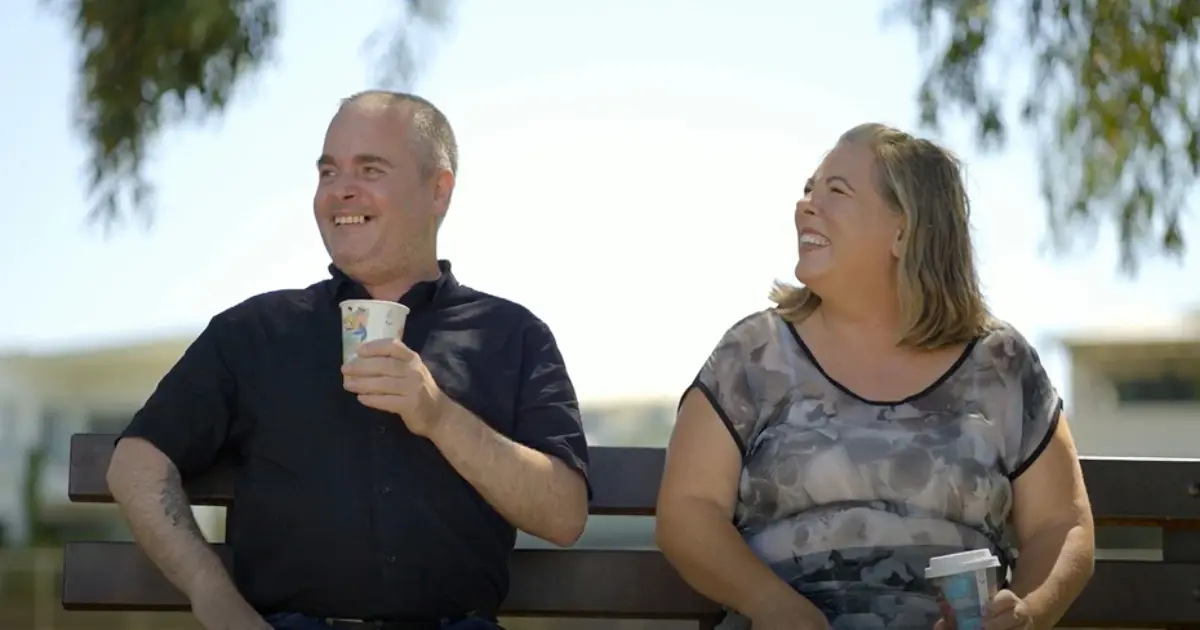
Michelle is passionate about one thing above all else: don’t wait. Don’t wait for a crisis. Don’t wait until someone falls, or stops eating, or can no longer find the bathroom. The time to reach out is at the beginning.
“From the day that you get a diagnosis, reach out,” she said.
That might mean an Occupational Therapist looking at how the home environment can be adapted:
- A speech pathologist working on communication strategies before language becomes harder
- An exercise physiologist helping maintain physical health
- A therapy assistant helping someone stay connected to the gym, the pool, or whatever keeps them part of their community.
The shift Michelle describes is fundamental: it’s not about what someone does for you; it’s what you do together.
She tells the story of a woman, only 60, who used to run a cooking show on television. After her diagnosis, her husband thought she needed someone to bring meals in. But Michelle saw something else entirely.
“She can’t remember all the steps to cook, but if I stood next to her and said, ‘Right, you mix that milk with that egg and I’ll do this and we’ll do it together,’ she doesn’t have to remember the steps.”
Now, in that situation, four times a week, a support team goes in. They shop together, cook together, and the woman distributes food to people experiencing homelessness in her area.
She’s 60, living with dementia, and she still has meaning and purpose.
When you simply take over, Michelle said you “disable someone’s confidence, sense of purpose, meaning, joy, fulfilment, identity”.
Jodie saw a version of this with Jason. Once the NDIS funding came through and carers could take him out, he started to lift. But the real transformation came when he moved into Brightwater’s supported independent living home.
“I saw a massive change in him,” Jodie said. “He’s more sort of sociable; he’s happier. He’s doing more things that he wants to do.”
Part of it is inclusion. The staff involve him in activities, and because Jason isn’t at the same stage as some of the other residents, he’s taken on something of a leadership role. He’s looking after others, drawing on the same instincts he had when he worked in security.
“I’ve actually seen a bit of an improvement, if anything, on his good days, like holding conversations properly and things like that,” Jodie said. “That got really hard for him for a little bit.”
For Jodie, it also meant she could be his sister again. She can visit him now. Invite him out. Not out of obligation, but because she wants to.
Sharing the diagnosis (on their terms)
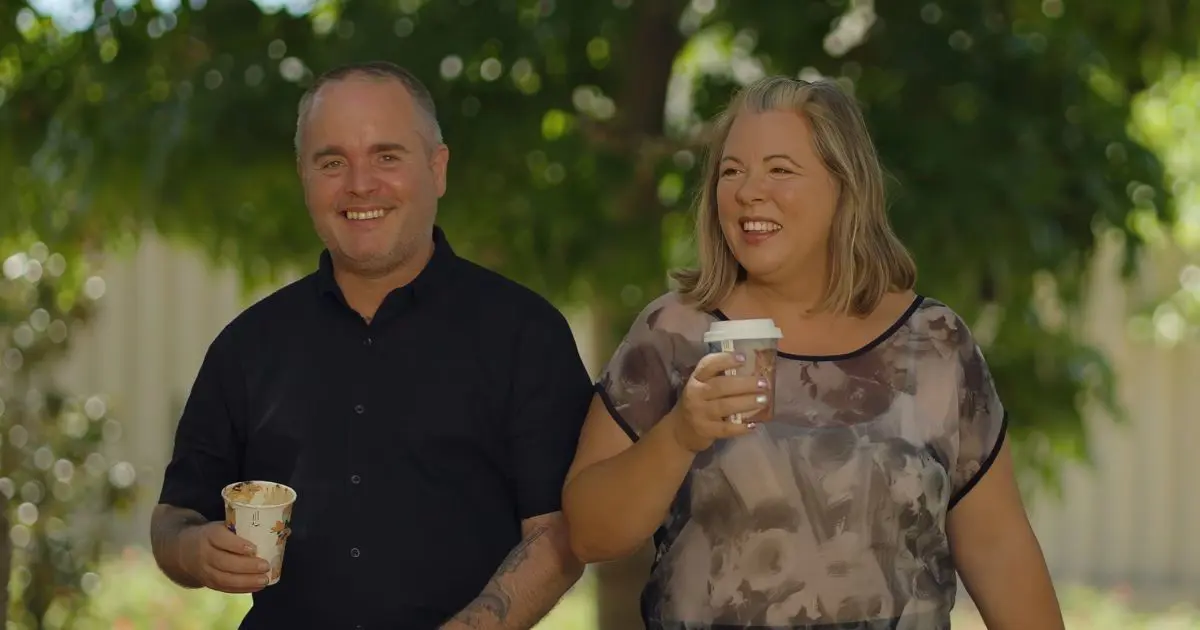
One question that comes up early is when and how to tell other people. Michelle is clear that there’s no universal answer on how to handle that.
“The best time is on the terms of the person who’s got the diagnosis,” she said.
If someone is still processing the news, or actively denying it, a family conference isn’t going to help. Michelle describes a man attending one of Brightwater’s BrightRespite retreats who insists his diagnosis is a mistake. He had come along because he wants to support his wife.
“I didn’t argue with him because he’s lost the ability to reason,” Michelle said. “So, while I agree to disagree, I just agree.”
What she does encourage is that the partner or family member seeks guidance independently first (not behind anyone’s back, but to make sure they have support before they navigate those bigger conversations).
“It’s okay to not want to do that in front of your partner,” she said. “You just want to make sure the person that loves you is supported on the right way to do it.”
Planning without panic
The word “planning” can feel impossibly heavy when you’re still processing a diagnosis. But Michelle said two things matter in those early days.
- Your environment. Is the home still working? An Occupational Therapist can help figure out what changes might make daily life easier, or whether a simpler, smaller space might be worth considering
- An advance care plan. It’s not a legal directive and it doesn’t have to be grim. It’s a conversation about what matters to you: where you want to live, who you’d want making decisions, what your priorities are.
“It’s giving people the chance to speak about their future when they no longer can,” Michelle said.
She likens it to insurance. You sort it early, while you still can, so the people around you know what you actually wanted. Brightwater offers support for these conversations through the BrightRespite program, as do GPs, Carers WA and Palliative Care WA, all free of charge.
Looking after yourself
If you’re the person holding everything together, it’s vital to remember you’re not a machine.
Jodie was juggling her brother’s medical appointments, his NDIS applications, his daily needs, all while managing her own family, pets, and life. That’s not sustainable, and she knew it.
“If you go down, you can’t care for somebody else,” she said.
Check in with yourself:
- How are you sleeping?
- What’s your nutrition like?
- When did you last see your GP?
- Have you stopped seeing your friends?
Setting boundaries isn’t selfish. Asking for help isn’t failure. And you shouldn’t have to reach crisis point before you reach out.
Where to start
Jodie’s advice is to call the Dementia Helpline.
“They give lots of advice,” she said. “You can actually meet up with someone who’s like an advisor, a nurse for dementia. They give lots of tips and avenues and things that you can apply for.”
Beyond that, Dementia Australia offers information, counselling, peer support and Memory Lane Cafes across the country. Carers WA provides support for people in a caring role. Your GP can coordinate referrals and help start an advance care plan conversation. And Brightwater’s BrightRespite program brings couples and families together in a relaxed retreat setting, with education, therapy and one-on-one coaching, followed up at six weeks and six months.
You don’t have to figure everything out at once. But reaching out early, before things feel unmanageable, can shape the years that follow in ways you might not expect.
Jodie has seen that firsthand. Jason still has bad days. But he also has a home, a routine, people around him who include him and know him. He has purpose. And Jodie gets to be his sister again, not his carer.
“There’s still lots of time,” she said. “So, make the most of the time.”
Brightwater’s dementia specialists can help with practical strategies, advance care planning and connecting you to the right support - early, before things feel overwhelming. Call us on 1300 223 968 to find out more.


