
When Music Finds Its Way Back: Sylvia’s Story

When Music Finds Its Way Back: Sylvia’s Story | Brightwater
Play video

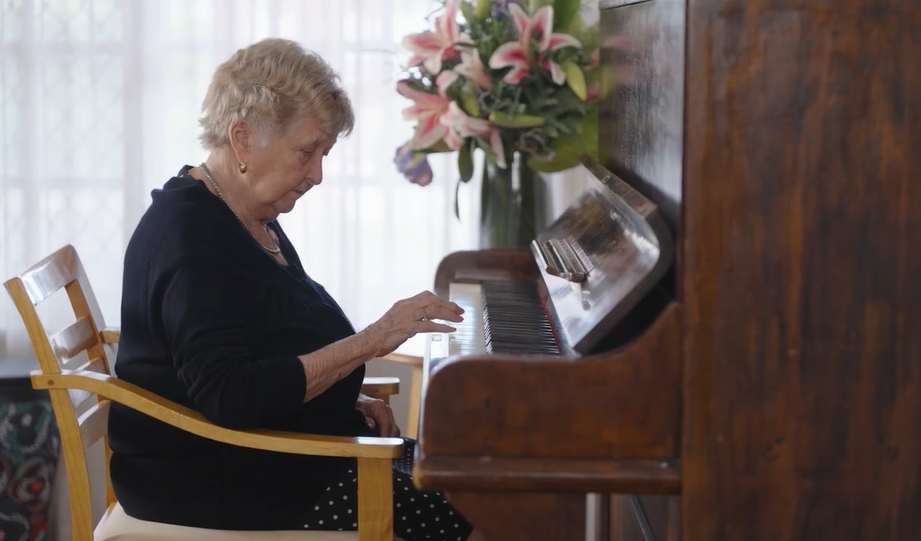
One afternoon at Brightwater The Oaks, Multi Skilled Care Worker, Claire Woodward was surprised to hear something unexpected coming from the piano room.

"I could hear someone playing the piano and it was Sylvia and I thought, God, that's brilliant! She was playing You Are My Sunshine. We encouraged her to sing, and residents stood and sung with her, it was beautiful."

It surprised everyone, including Sylvia's family. They knew she had always loved music, but they had never seen her play the piano before. When her daughter visited a few weeks later and heard how well her mum had been playing, she was taken aback. Sylvia had grown up spending time around the piano with her family, but she had always been the one who sang.
It's the kind of moment that stays with you. Music has a way of revealing things: memories, abilities, joy, that even loved ones didn't know were still there.

Music therapy is more than a nice way to spend an hour.

It is a recognised allied health practice and supported by research. For many people, it genuinely lifts mood, reduces stress and sparks motivation.

Research shows that music therapy may improve mood, reduce anxiety and support cognitive function for people living with dementia helping to enhance overall quality of life. It also highlights that musical memory can remain relatively preserved, allowing people to recall lyrics and continue engaging with music even as other cognitive abilities change. At Brightwater, we see this reflected in increased engagement, moments of reminiscence and connection - like Sylvia at the piano.
Resident Sylvia at The Oaks learns to play the piano again | Brightwater

As for people living with dementia, the impact can be especially significant

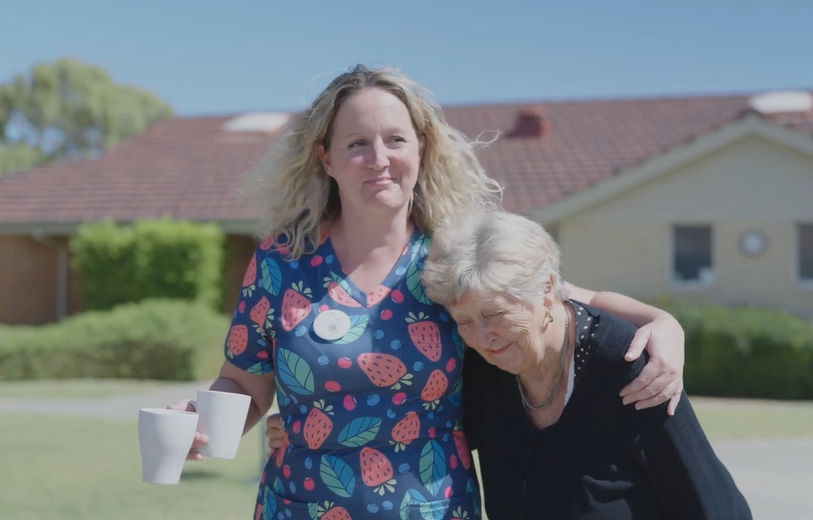
The Oaks team have seen this with Sylvia, and as Claire says: "Sometimes the concentration can lapse when you're talking about things, but she completely focuses when she's playing the piano. It's really nice."

Music therapy can also rekindle long-held hopes. For Sylvia, that hope was learning the piano, a dream she had carried since she was about 10 years old.

Music also brings people together naturally. Residents gathering around the piano, joining in on a familiar song, or simply sitting and listening. These moments build connection amongst clients and staff members.

For families, seeing a loved one rediscover a passion, or reveal one you never knew about is a reminder that ageing and dementia don't erase a person.
Sometimes, like Sylvia at the piano, music reveals something that was there all along.

To learn more about how music therapy supports residents at Brightwater, read the full story and watch the video here.

Other articles you may be interested in

Keeping Connected Simple Activities To Connect With Your Older Loved One Social Image Article

Keeping Connected - Simple Activities to Connect with your Older Loved One

Turn visits with your older loved one into moments you both look forward to. Discover how small, shared activities can boost brain health, support memory and lift mood, especially for people living with dementia. Be inspired by practical tips from Brightwater’s allied health team, dementia-friendly apps, music programs and life story projects that make connection easier and more enjoyable.

16 min read
Meet Your Care Team: What Does a Home Care Worker Do? | Brightwater Article

What is a Home Care Care Worker?

Home Care Care Workers provide everyday support that helps people live safely, comfortably and confidently in their own homes. Learn what they do during visits, when you’ll see them, and how they become a familiar, trusted presence in daily life.

4 min read
Falls prevention for aged care clients Article

10 Essential Tips to Prevent Falls During Family Outings

While outdoor activities can be enjoyable and uplifting, they also present a higher risk of falls for older people, which can lead to serious injuries, hospitalisation, and loss of independence. Emphasising preparation, awareness, and supportive practices can make outings both safe and pleasant.

8 minutes min read

Information included in this article is correct at time of publishing. The advice provided on this website is general advice only. It has been prepared without taking into account your objectives, financial situation or needs. Before acting on this advice, you should consider the appropriateness of the advice, having regard to your own objectives, financial situation and needs. If any products are detailed on this website, you should obtain a product disclosure statement relating to the products and consider its contents before making any decisions. Where quoted, past performance is not indicative of future performance.

Brightwater Care Group disclaims all and any guarantees, undertakings and warranties, expressed or implied, and is not liable for any loss or damage whatsoever (including human or computer error, negligent or otherwise, or incidental or Consequential Loss or damage) arising out of, or in connection with, any use or reliance on the information or advice in this website. The user must accept sole responsibility associated with the use of the material on this site, irrespective of the purpose for which such use or results are applied. The information in this website is no substitute for specialist advice.