
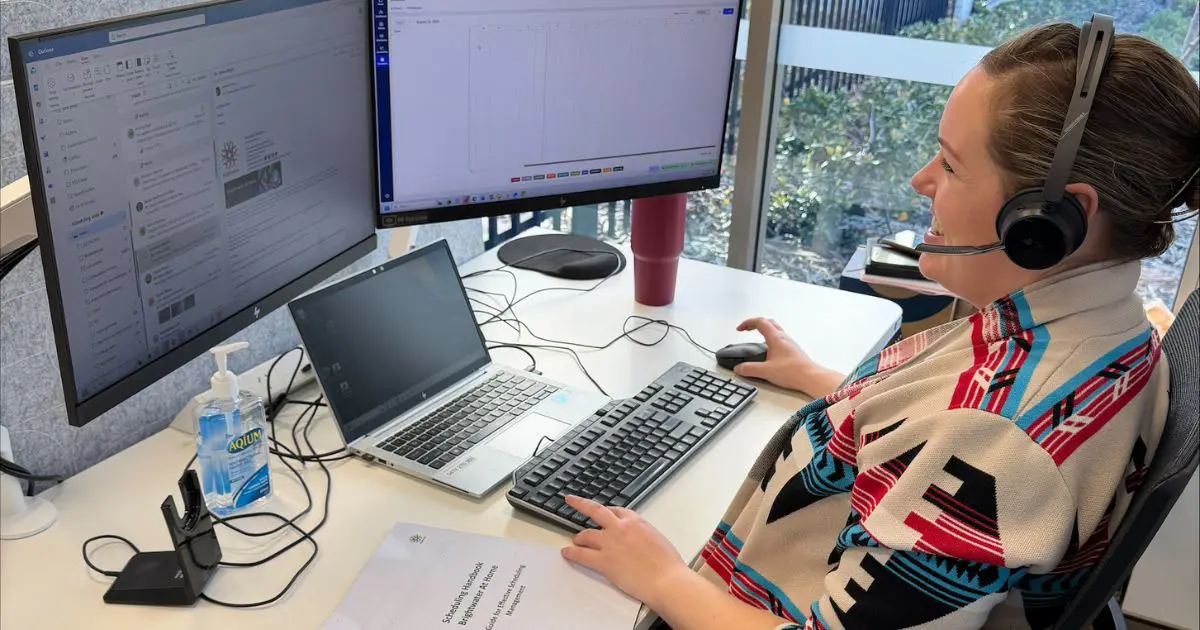
Aged care isn’t provided by one or two key people, it’s a whole team working together to make sure residents and clients get the care and support they need, every day. Some of these people you’ll see often, others are more behind the scenes, but they all play an important part in keeping things safe, comfortable and running smoothly.
So, who’s actually in these teams? What do they do, and why does it matter?
In this series, we’ll introduce you to the different roles in aged care, explain what they’re responsible for, and show how they all work together to support you and your loved ones.
What is a scheduler?
Like it says in the name, schedulers schedule services and appointments to ensure clients receive the right support at the right time. They manage rosters, respond to changes, and keep communication flowing between clients, families and support workers so services run smoothly and reliably.
They support service delivery by:
- Managing appointments and rosters, including scheduling, rescheduling and cancelling visits while using staff time efficiently.
- Acting as a key point of contact, answering calls, responding to enquiries and helping clients understand appointment arrangements.
- Reducing missed visits and delays by sending reminders, managing cancellations and filling gaps in the schedule.
- Coordinating with Support Workers to confirm shifts and communicate updates.
- Monitoring risks or concerns, such as repeated missed visits or high-risk clients, and escalating issues to Team Leaders.
- Updating systems and records so scheduling information remains accurate and current.
Schedulers help create a service that feels organised, reliable and responsive for both clients and staff.
Why is a scheduler important?
A scheduler is important because well-planned rosters ensure clients receive consistent, reliable support while staff can work efficiently and safely.
They:
- Help ensure services are delivered on time and as planned.
- Quickly respond to unexpected changes such as staff illness or cancellations.
- Match support workers to clients based on skills, availability and location.
- Maintain clear communication between clients, families and staff.
- Support compliance with service agreements, funding and organisational requirements.
By balancing the needs of clients and support workers, schedulers help keep services running smoothly and ensure everyone stays informed when changes occur.
What does a typical day look like?
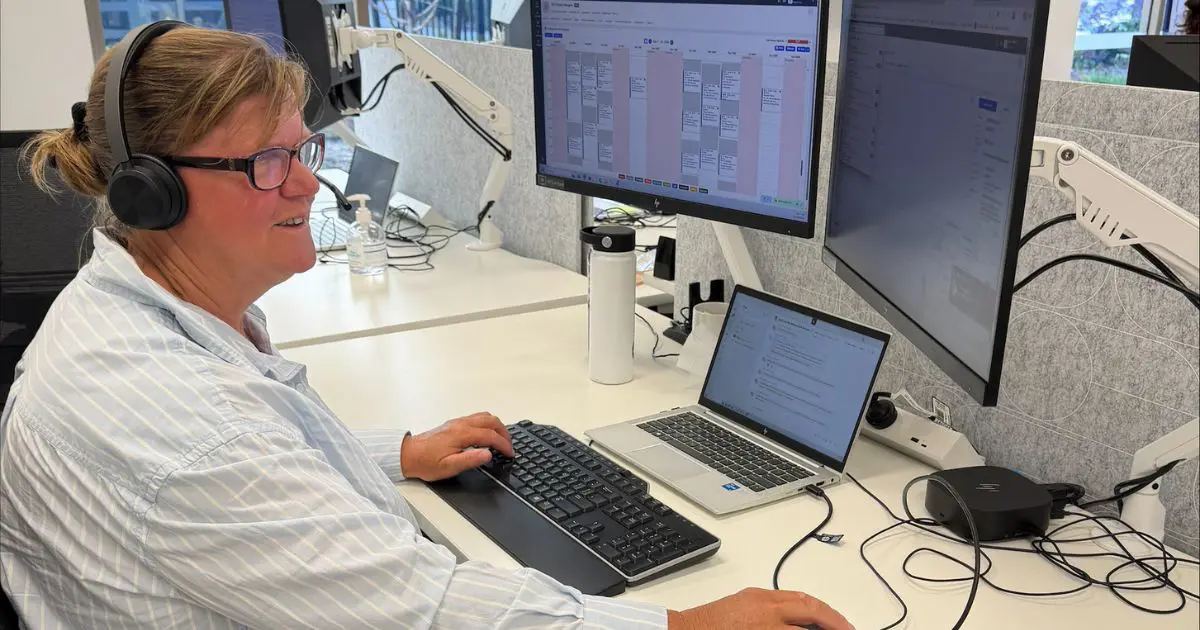
Mornings are often the busiest time of day for schedulers. Before most people have finished their first coffee, they're already working through overnight messages, arranging cover for staff absences and making sure clients receive the services they're expecting.
Throughout the day, schedulers juggle a range of moving pieces, including:
- Organising support worker visits
- Managing last-minute changes to schedules
- Supporting new clients as services begin
- Adjusting rosters to meet changing care needs
- Responding to enquiries from clients and support workers
- Keeping clients informed about any changes to their services
- Planning future rosters and support arrangements
Whether they're responding to a last-minute cancellation or planning services weeks in advance, schedulers help ensure clients can rely on the services they need to continue living well at home.
When are clients and families likely to see or hear from a scheduler?
Clients and families usually hear from a scheduler when changes or confirmations are needed to keep services running smoothly.
You’re most likely to see or hear from a scheduler:
- When confirming appointment times or scheduled visits.
- If a roster change is required, such as staff illness, delays or emergency rescheduling.
- When introducing or matching a new support worker.
- When clarifying service details such as visit duration, frequency or special requirements.
- When planning around public holidays or upcoming service adjustments.
- When responding to concerns related to scheduling, staffing or punctuality.
- When providing clear direction to the appropriate contact for non-scheduling matters.
- When acting as an initial point of contact for incidents and supporting escalation pathways.
Although much of their work happens behind the scenes, schedulers play a key role in ensuring services remain reliable and well-coordinated.
Looking for support at home?
Occupational therapists are just one part of the Brightwater at Home team. Discover the range of services we offer to help you stay independent and live well at home.
Explore Support at Home