Aged care is not provided by one or two key people, it is a whole team working together to make sure residents get the care and support they need, every day. Some of these people you'll see often, others are more behind the scenes, but they all play an important part in keeping things safe, comfortable and running smoothly.
So, who is actually in these teams? What do they do, and why does it matter?
In this series, we'll introduce you to the different roles in aged care, explain what they're responsible for, and show how they all work together to support you and your loved ones.
What is a registered nurse?
Registered nurses (RNs) are qualified healthcare professionals who oversee and coordinate the clinical care of residents.
At Brightwater, registered nurses (RNs) oversee residents' clinical care and help coordinate support across the wider healthcare team. Whether it is reviewing a change in health, speaking with a GP, updating a care plan or helping a family understand treatment options, they help ensure care is tailored to each person's needs.
- A registered nurse (RN) may help with:
- Assessing residents' health and wellbeing
- Administering and overseeing medications and treatments
- Monitoring for changes in health or condition
- Coordinating care with doctors, nurse practitioners and allied health teams
- Developing and reviewing care plans
- Supporting and supervising care staff
- Managing clinical incidents and follow-up actions
- Communicating with residents and families about care needs
- Maintaining clinical documentation
They work closely with enrolled nurses (ENs), care partners, doctors and allied health professionals to ensure residents receive coordinated, high-quality care.
Why is a registered nurse important?
Health needs can change unexpectedly, and when they do, families often have questions. What happens next? Does a care plan need to change? Does a doctor need to be involved?
Registered nurses (RNs) help guide residents and families through these moments. They assess changes in health, coordinate support and communicate with the people involved in a resident's care, helping everyone stay informed and connected.
Registered nurses help residents to:
- Receive safe and effective clinical care
- Access timely treatment and support
- Manage ongoing health conditions
- Identify changes in health early
- Receive coordinated care from multiple healthcare providers
- Have care plans that reflect their changing needs
For families, having a registered nurse involved can provide reassurance that someone is overseeing their loved one's care and helping guide important decisions when needs change.
What does a typical day look like for a registered nurse?
A typical day often begins with reviewing handovers, checking on residents who require follow-up and planning priorities for the day ahead. From there, RNs balance planned care with responding to the changing needs of residents throughout the day.
A registered nurse may:
- Complete health assessments and clinical reviews
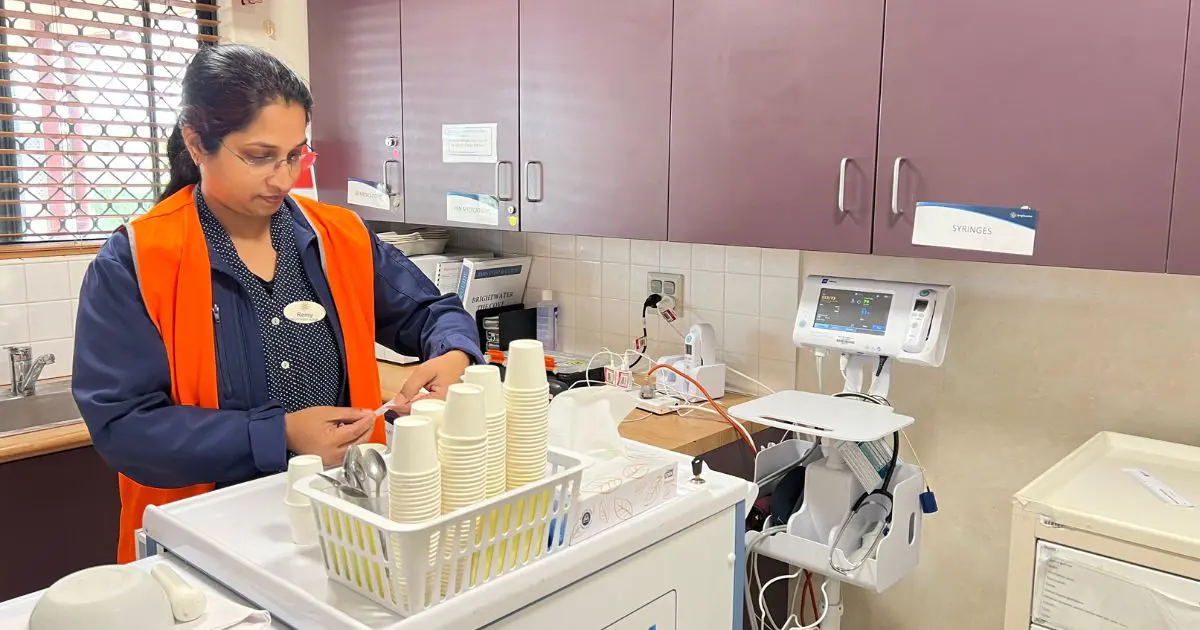
- Administer medications and oversee medication rounds
- Provide wound care and treatments
- Respond to changes in a resident's health
- Liaise with GPs, nurse practitioners and other healthcare providers
- Support residents and families with questions or concerns
- Supervise and guide care staff
- Review and update care plans
- Manage referrals, incidents and follow-up actions
While every day is different, the focus is always on ensuring residents receive the care, guidance and support they need as their needs evolve.
When are residents and families likely to see or hear from a registered nurse?
Residents and families are most likely to interact with a registered nurse (RN) when health concerns, care planning or clinical support are involved.
This may be:
- During health assessments and clinical reviews
- When medications or treatments are required
- When a resident's health needs change
- During care planning discussions
- When referrals or appointments need to be arranged
- When residents or families have questions about care and treatment options
Registered nurses are often a key point of contact for residents and families, helping to explain care decisions, coordinate support and provide guidance when health needs change.
Whether it is supporting a resident after a hospital visit, helping a family understand a new diagnosis or coordinating care when needs change, registered nurses play an important role in helping residents and families navigate life's ups and downs with confidence.