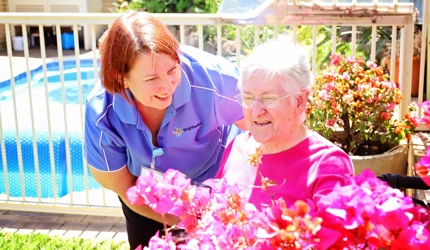

Whether you’re visiting mum, dad, partner, friend or grandparent, connection doesn’t have to feel hard. With a little planning, visits can become something you both look forward to, and they can play a real role in keeping the brain active and the heart full.
You don’t have to bring much either, even one small idea (a photo, snack or memory) can make a visit enjoyable. Short visits are okay too, what matters is that you’re showing up with patience.
Spending time with an older loved one, whether in their own home or living in residential aged care, doesn’t have to mean sitting and searching for things to talk about.
Why social connection is so important for brain health
Our brains are social. When we chat, laugh, listen to music together or look through old photos, many different parts of the brain ‘switch on’ at once stimulating memory, emotions, language, movement and senses.
For older people, especially those living with dementia, regular connection can help to:
- Lift mood and reduce feelings of loneliness
- Support memory by revisiting familiar stories and faces
- Keep thinking and communication skills active
- Provide a sense of purpose and identity
The good news: even short, simple visits can make a difference.
Below are ideas from Brightwater’s Allied Health team, along with tips from Dementia Australia’s Dementia Tips – Tips for Visiting help sheet, that you can use at home or when visiting a loved one in residential aged care.
1. Sunshine, fresh air and familiar faces
From Peta-Lee, Senior Occupational Therapist
Enjoy the sunshine!
If it’s safe to do so, a short trip outdoors can be incredibly refreshing. This might be:
- Sitting in the garden or on a balcony
- A slow walk to a courtyard or café
- Sitting near a window with fresh air and a view
Being outdoors provides:
- A change of scenery
- Fresh air and natural light
- Vitamin D, which is important for bone health and wellbeing
Add photos for conversation
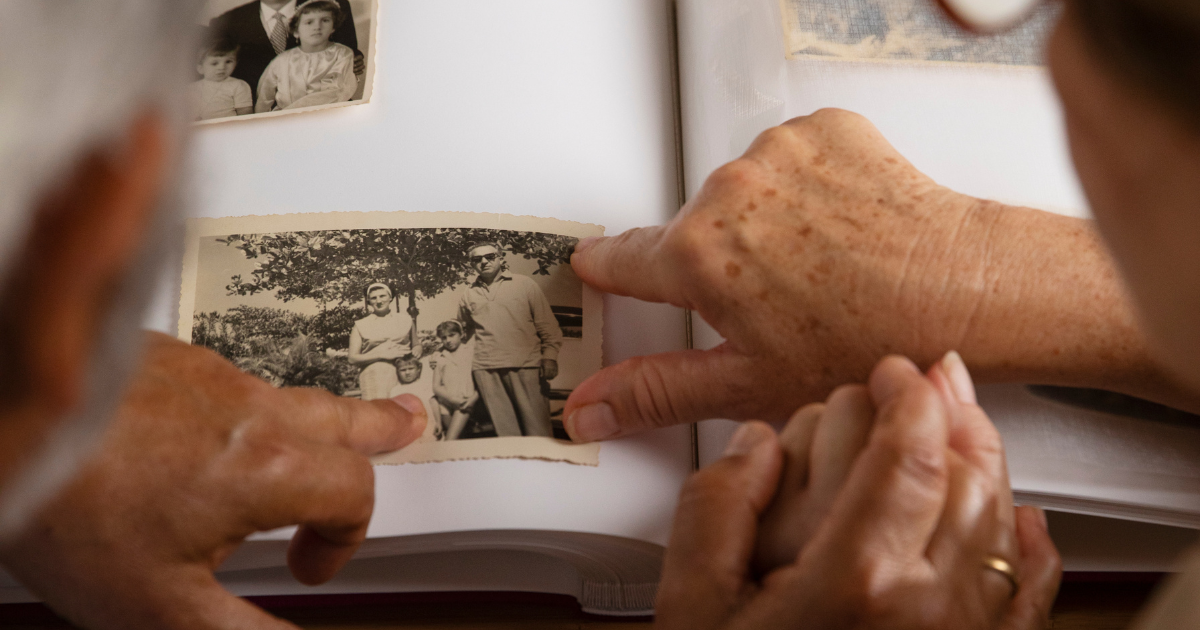
Bring a small photo album, or use your phone or tablet to scroll through:
- Old family photos
- Recent pictures of grandchildren and great-grandchildren
- Photos from special celebrations
Talk about who is in the photos, where they were taken and any funny or happy memories that come to mind. This kind of reminiscing can:
- Spark memories
- Give you a shared focus if conversation is tricky
- Encourage concentration and social connection
Travel videos from home
If your loved one is from another country or region, try:
- Short travel videos from their homeland
- Photos of familiar streets, landscapes or landmarks
This can be comforting and grounding, especially for people living with dementia.

2. Use simple activity ideas from Dementia Australia
Dementia Australia’s visiting tips include many easy activities you can do in almost any setting:
Bring something with you
A magazine, newspaper, postcard, flowers, or a favourite snack. You might:
- Read an article aloud
- Do a quiz or crossword together
- Talk about a picture or headline
Start a gentle visiting ‘ritual’
Say and do the same things when you arrive and when you leave. For example:
‘Hi Dad, it’s John, your son. I’ve brought your favourite biscuits today.’ Familiar routines can feel safe and reassuring.
Write cards or letters together
Help your loved one write a short note to an old friend or family member. You can scribe if writing is hard. This helps maintain important relationships and gives a sense of achievement.
Create a communication book or notebook
Keep a small notebook by their chair or bedside. Visitors can write:
- The date of the visit
- A few things you did together or topics you chatted about
- Messages for other visitors or staff
This can be a memory prompt and a lovely record of connection.
It can also help staff or other visitors get to know your loved one better and what they enjoy!
Do small tasks together
Everyday tasks can be meaningful:
- Folding washing or sorting socks
- Watering pot plants
- Sewing name labels into clothes
- Helping with drinks or simple food preparation
These activities help your loved one feel useful and involved.
3. Try the ‘A Better Visit’ app
From Elissa, Senior Occupational Therapist
Technology can be a helpful tool, especially when conversation feels difficult.
Elissa recommends A Better Visit, a free app developed by Dementia Australia. It includes simple, colourful games designed specifically for people living with dementia to enjoy with a family member or friend.
You might:
- Play a short game together on a tablet
- Use the game as a starting point to chat (for example, about colours, music or pictures in the app)
- Share the device so you both take turns
Because the app is designed for older people with dementia, it’s usually easier and less frustrating than standard games and can create moments of fun and laughter.
(You can also find the app by searching ‘A Better Visit app Dementia Australia’ online.)

4. Shared music listening
From Kate, Allied Health Team Coordinator
Listening to music together is a powerful way to connect, especially for people with advanced dementia.
How to try it:
- Choose music your loved one has enjoyed in the past – songs from their teens or early adult years are often the most meaningful.
- Use a phone or music player with headphones to reduce background noise.
- Buy a simple headphone splitter so you can both wear headphones and listen together.
You can:
- Sit quietly together and listen
- Sing along, hum, clap or gently tap your foot
- Talk about any memories the music brings up
Playing an instrument or singing for your loved one can create calm, comfort and a sense of connection even when words are hard to find.
At Brightwater, we’ve seen firsthand how powerful music can be. One resident, Rob, even wrote his own Christmas song through Brightwater’s Music Pharmacy program – a joyful carol that has become a favourite for staff, residents and families alike. It’s a lovely reminder that music doesn’t just bring back memories; it can also inspire new moments of creativity and happiness at any age.
5. Create a Life Story or ‘Life Book’
Kate also recommends working with your loved one to capture their life story.
This might be:
- A notebook or folder with printed photos and handwritten stories
- A simple template or journal designed for life stories
- A scrapbook with tickets, postcards and memories
You can work on it bit by bit during visits:
- Ask about childhood, school, work, holidays, hobbies and favourite people
- Write down key dates, places and funny stories
- Add photos and captions together
Dementia Australia’s tips call this a ‘life book’ and highlight that it can make time together enjoyable, while validating the person’s life journey.
It can also be a gentle way to connect on days when talking isn’t on the cards.
For people living in residential aged care, this life story can also be shared with the care team. It helps staff understand who your loved one is, not just their care needs, but their personality, history and what matters to them.
The EARLi project (Enhancing Advance Care Planning Through Life Story Work) explores how life stories can support people to feel more comfortable discussing future care preferences.
6. Comfort that doesn’t rely on talking
Not every visit needs constant conversation. Silence and simple comfort can be very meaningful.
- Gentle touch
Hold hands, offer a hug if welcomed, or give a gentle hand massage with hand cream. - Quiet companionship
Sit together listening to soft music, watching birds in the garden, or looking out a window. - Pet visits
If it’s safe and permitted, bring a calm, friendly pet. Stroke their fur, talk about their personality, or recall much-loved animals from the past. (Always check with staff first in a residential care home.)
These kinds of moments can support emotional wellbeing and reduce anxiety, even if the person can’t express it in words.
7. Simple food and drink rituals
A shared drink or snack can be a lovely, low-pressure activity:
- Make a cup of tea or coffee together
- Share a favourite biscuit or piece of fruit
- Sit at a table and treat it like a small ‘café outing’
Dementia Australia notes that organising a drink can help with fluid intake and support a sense of normal hospitality.
Making visits easier on you, too
Visiting someone you love, especially when their memory or health has changed, can be emotional and sometimes tiring. Looking after yourself is incredibly important. To support your wellbeing, we suggest:
- Be flexible
Your loved one may be tired or confused; your carefully planned activity might not work that day, and that’s okay. Your presence still matters. - Be kind to yourself
Plan something nurturing for yourself after the visit, a walk, a chat with a friend, or a quiet cup of tea. - Know that your visit makes a difference
Regular visitors are linked with better emotional wellbeing for people in residential care.
It’s normal for visits to stir up emotions. So why not plan something to decompress afterwards, like a short walk or a quiet cup of tea to recharge your batteries.
If you’re finding things particularly hard, talking to a supportive friend, counsellor or helpline can make things feel lighter. We’ve also provided some top tips for looking after your emotional wellbeing at a difficult time.
Want something simple to take with you? We’ve created a one-page list of easy visit ideas you can print out and stick on the fridge!
Download Activity List
In Conclusion
You don’t need big plans or perfect words to have a meaningful visit. Small, familiar activities, a song, a photo, a shared story, a cup of tea in the sun, can support brain health, lift mood and remind your loved one that they are valued and remembered.
Even if the visit doesn’t go as planned, your presence still means more than you’ll ever know.
And you’re not alone in this. Brightwater’s allied health and care teams are there to help with ideas and to support you to keep those important connections strong, wherever your loved one calls home.