
There is no doubt that technology has made many parts of life easier and more convenient.
Whether it is paying bills, booking appointments, shopping online or catching up with family and friends, many of us rely on technology every day. We can order groceries, have meals delivered to our doorstep and connect with loved ones across the country, all without leaving home.
Many of us can now do things from the comfort of home that once required a trip to the shops, the bank or the post office.
But while the digital world offers plenty of convenience, it can also make us a little hesitant at times. With stories about scams, fake websites and fraudulent phone calls becoming increasingly common, it is understandable to be cautious about who and what to trust online.
The good news is that you do not need to know everything about technology to stay safe.
In fact, a few simple habits can help you feel more confident in navigating the online world while continuing to enjoy all the perks it has to offer.
Here are five practical tips worth keeping in mind.

1. Have a family code word
One increasingly common scam involves someone pretending to be a child, grandchild or loved one who urgently needs help.
It might come through a text message, phone call or social media account, often asking for money or claiming their phone has been lost or broken.
One simple way to protect yourself is to create a family code word.
Choose a word or phrase that only close family members know. If someone contacts you unexpectedly claiming to be a loved one, asking for the code word can help you confirm whether they are genuine.
It might feel a little old-fashioned, but sometimes the simplest ideas are the most effective.
2. Go straight to the source
Have you ever received a text message claiming to be from your bank, myGov or Australia Post? These messages can look surprisingly convincing.
Rather than clicking a link in a text message or email, make it a habit to visit the organisation's website yourself.
For example, if you receive a message from myGov asking you to log in, open your browser and type in the official myGov website yourself rather than following the link provided.
Taking those extra few seconds can help protect you from fake websites designed to collect personal information. In fact, many organisations now encourage customers to log in through their official website rather than clicking links in emails or text messages.

3. Trust the number you know
Scammers can make calls appear as though they come from trusted organisations, which is why it is often safer to trust the number you know, rather than the number contacting you.
If something does not feel quite right, hang up and call back using a number already saved in your phone. If you do not have one saved, visit the organisation's website and find their contact number there.
After all, a genuine organisation will understand if you want to double-check who you are speaking with.
4. Think before you share
If someone contacts you unexpectedly asking for things like verification codes, passwords, banking details and personal information, slow down and consider, would I normally give this information out?
If the answer is no, or you are unsure, do not feel pressured to respond immediately. It is perfectly okay to take your time, check things over or speak with someone you trust before handing over any personal information.
5. Not sure? Ask someone close to you
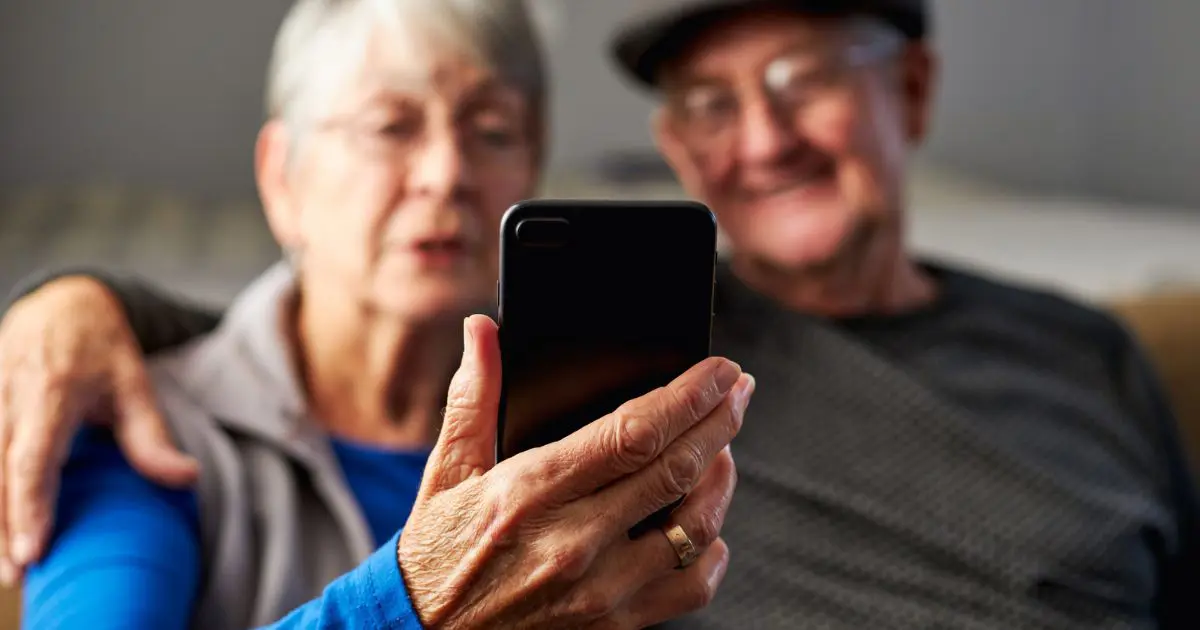
One of the most overlooked online safety tools is also one of the simplest, which is to ask another person.
If a message, phone call or email does not feel quite right, ask someone you trust what they think.
A family member, friend, neighbour, support person or care staff may notice something you have missed.
There is no shame in asking for a second opinion. In fact, many scams are stopped because someone took a moment to check with somebody else first.
A healthy dose of caution never hurts
The digital world is constantly evolving, and there will always be new technologies, websites and increasingly elaborate scams.
While that may sound a bit daunting, staying safe online does not mean you have to know everything.
More often than not, it comes down to trusting your instincts, asking questions and taking a moment to check before acting.
And remember, if something does not feel quite right, there is no need to rush. A quick phone call, checking a trusted website or getting a second opinion from someone close to you can provide valuable peace of mind.
After all, a little extra caution and a few good habits can go a long way towards keeping your online experiences safe, secure and stress-free.
Looking for a little extra guidance?
The Australian Government’s eSafety Commissioner is a great, trustworthy place to start. It includes free online courses, easy-to-follow advice and practical resources to help older Australians feel more confident and safer online.
The Personal Cyber Security Handbook is another handy resource packed with simple tips for navigating the online world and avoiding common scams.


