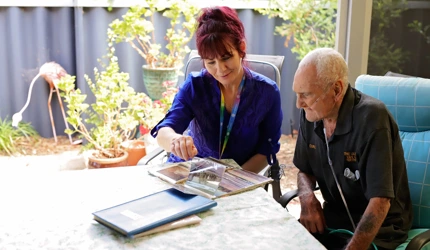
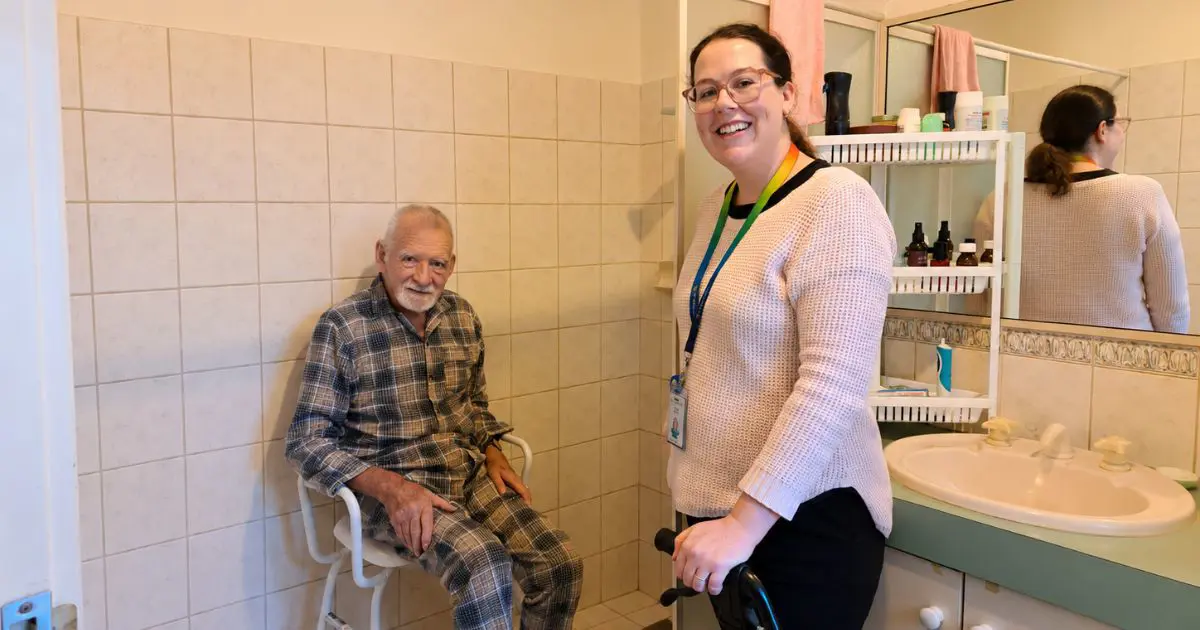
Aged care isn’t provided by one or two key people, it’s a whole team working together to make sure clients get the care and support they need, every day.
Some of these people you’ll see often, others are more behind the scenes, but they all play an important part in keeping things safe, comfortable and running smoothly.
So, who is actually in these teams? What do they do and why does it matter?
In this series, we’ll introduce you to the different roles in aged care, explain what they’re responsible for, and show how they all work together to support you and your loved ones.
What is an occupational therapist?
Occupational therapists (OTs) help people continue doing the things that bring meaning, purpose and enjoyment to everyday life, while supporting them to stay as independent as possible. They work with people from all walks of life, supporting clients with different health conditions, backgrounds and support needs.
Our Brightwater at Home team of occupational therapists works alongside clients to help them live safely and independently at home. While they're often called upon following illness or injury, they can also provide proactive support by identifying potential risks early and recommending simple changes that help people stay safe and independent for longer.
At its core, occupational therapy is about helping people continue doing the everyday activities that are important to them, whether that’s preparing a meal, getting dressed, spending time with family or continuing a favourite hobby.
Their role may include:
- Assessing a client’s ability to manage everyday activities at home
- Recommending equipment or home modifications to improve safety and accessibility
- Supporting clients to adapt to changes caused by illness, injury or age-related decline
- Helping people rebuild confidence and independence in daily tasks
- Developing strategies to make everyday activities easier and safer
- Working with clients and families to identify goals and solutions that fit their lifestyle
- Collaborating with other healthcare professionals to support a client’s overall wellbeing.
Occupational therapists help people continue doing the things that matter most to them, while supporting independence, safety and quality of life at home.
Why is an occupational therapist important?
Occupational therapists help people continue living life on their own terms by supporting them to remain safe, independent and confident at home, whether that's helping them recover after illness or injury, or proactively identifying ways to make everyday life easier and safer.
They:
- Help people continue doing everyday tasks that are important to them
- Support clients to adapt to changes in health, mobility or function
- Identify barriers that may be affecting safety or independence at home
- Recommend practical solutions tailored to each individual
- Help build confidence following illness, injury or functional decline
- Support quality of life by enabling participation in meaningful activities and routines.
Every person's situation is different, which is why occupational therapists take the time to understand what matters most to each client before developing a personalised plan.
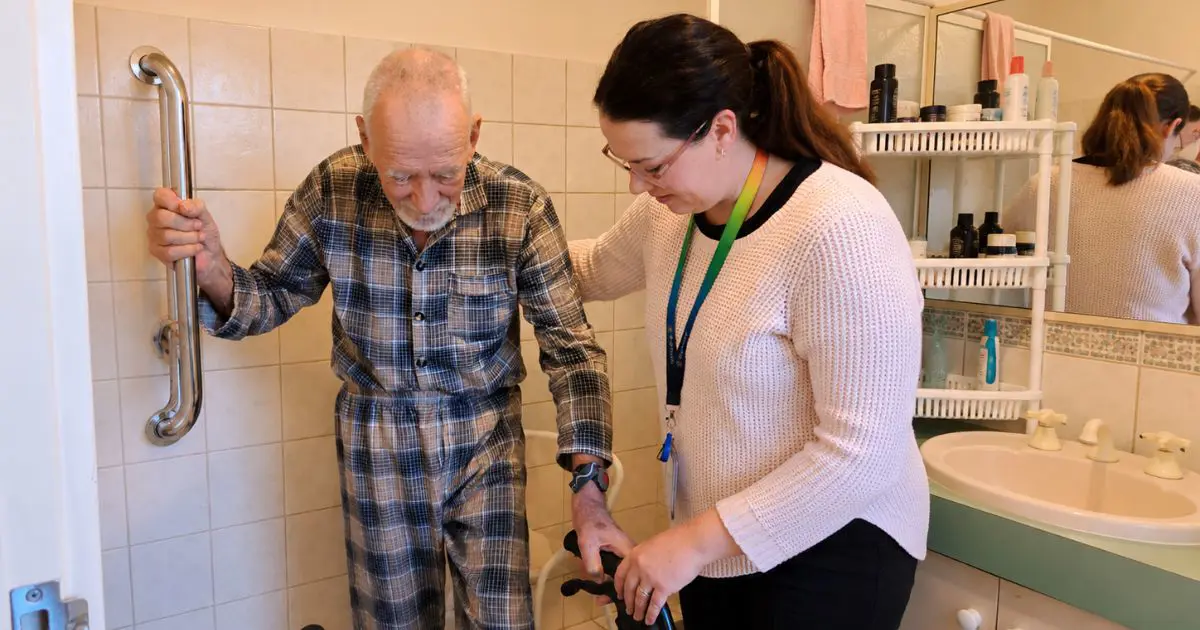
What does a typical day look like for an occupational therapist?
No two days look exactly the same. A typical day often starts with visiting clients in their homes, getting to know their circumstances, understanding the challenges they may be facing and learning about the goals they’d like to achieve.
A typical day may include:
- Conducting home visits and assessments
- Meeting with clients and families to discuss goals and concerns
- Assessing safety, accessibility and independence within the home
- Recommending equipment or home modifications
- Developing personalised therapy plans
- Supporting clients to build skills, confidence and independence
- Working alongside other members of the care team.
Every client is unique, so occupational therapists tailor their approach to suit each person's needs, abilities and goals, focusing on what will make the biggest difference to their daily life.
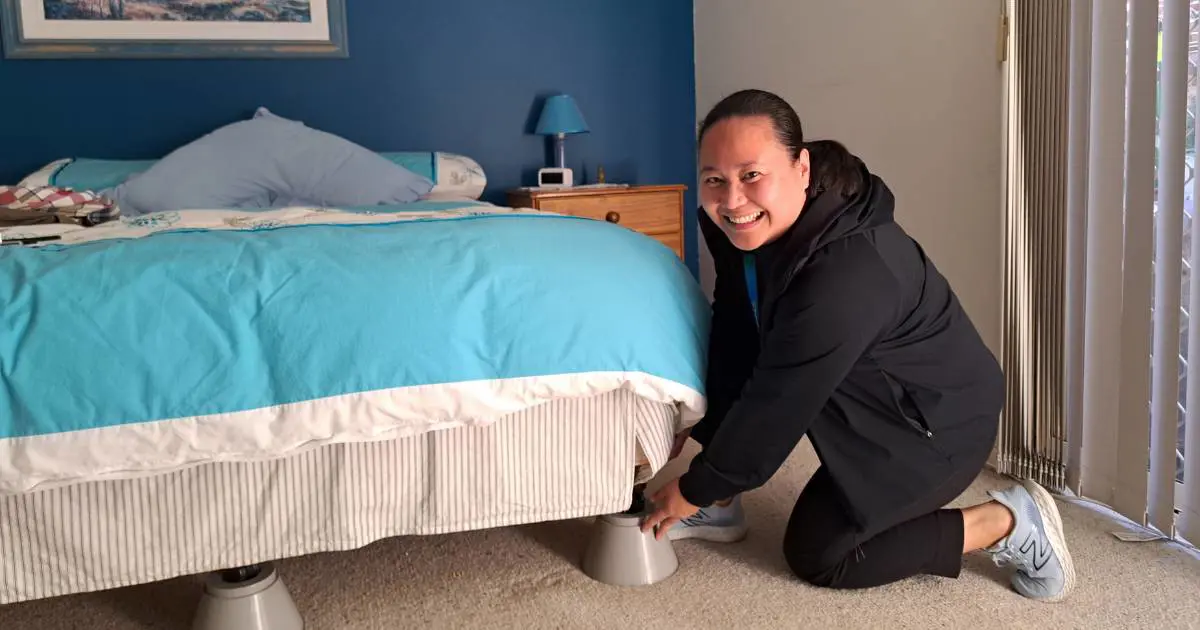
When are clients and families likely to see or hear from an occupational therapist?
Occupational therapists can provide support at any stage, whether it's helping someone recover after illness or injury, or recommending practical changes around the home to help maintain safety and independence.
This may include:
- Difficulty showering or dressing safely
- Challenges preparing meals
- Concerns about moving around the home
- Difficulty completing household tasks such as laundry or gardening
- Changes following illness, injury or a hospital stay
- Concerns about safety, falls or maintaining independence.
Occupational therapists work closely with clients and families to understand what matters most to them and find practical ways to make everyday life easier, safer and more enjoyable.
Success often comes from helping someone continue doing the things that are important to them, even when illness, injury or age-related changes create new challenges.
We're fortunate to have our Brightwater at Home team of occupational therapists helping clients keep doing the things they love with confidence
Looking for support at home?
Occupational therapists are just one part of the Brightwater at Home team. Discover the range of services we offer to help you stay independent and live well at home.
Explore Support at Home