
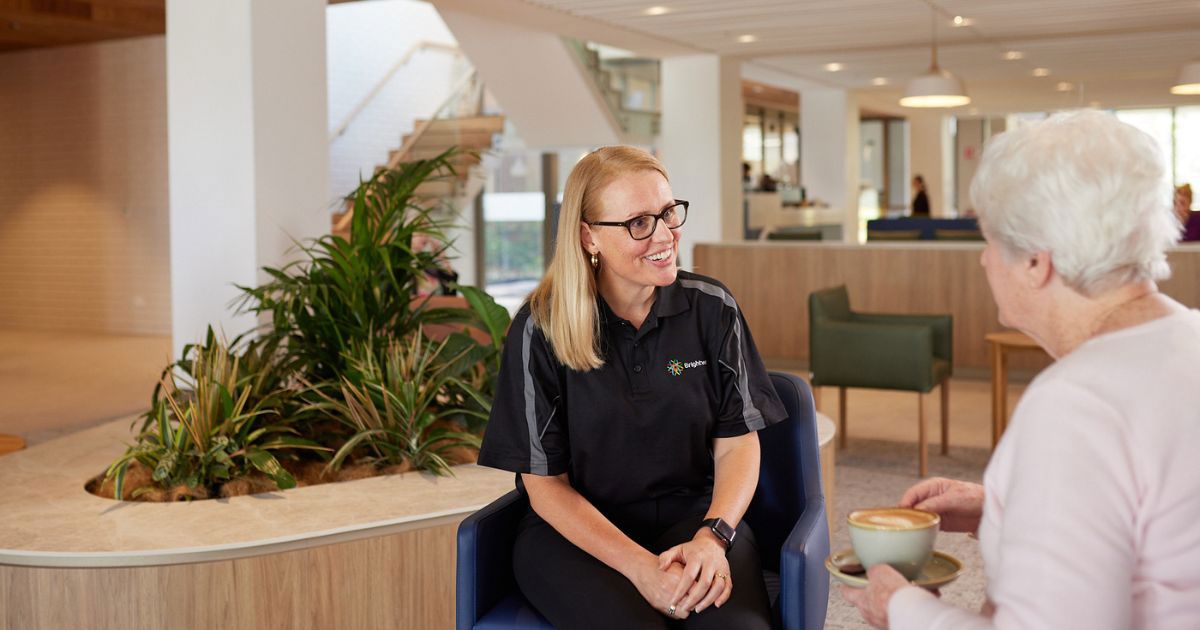
Aged care isn’t provided by one or two key people, it’s a whole team working together to make sure residents and clients get the care and support they need, every day. Some of these people you’ll see often, others are more behind the scenes, but they all play an important part in keeping things safe, comfortable and running smoothly.
So, who’s actually in these teams? What do they do, and why does it matter?
In this series, we’ll introduce you to the different roles in aged care, explain what they’re responsible for, and show how they all work together to support you and your loved ones.
What is a Residential Aged Care Operations Manager?
A Brightwater Residential Aged Care Operations Manager helps keep everything in a few Brightwater homes running smoothly, behind the scenes and on the floor.
They look after:
- People - supporting the leaders and staff who provide day-to-day care.
- Processes - making sure systems, routines and communication are clear and consistent.
- Compliance - ensuring the home meets aged care standards and regulations.
- Care quality - checking that residents are receiving safe, respectful, person-centred care.
Their role is to balance quality care, happy residents, supported staff, and responsible use of budgets and resources. They work across multiple Brightwater sites, helping each home deliver the best possible experience for residents and families.
A typical day for an Operations Manager includes a mix of planned work and the unexpected, including:
- checking on care quality and safety
- reviewing rosters and staffing
- supporting on-site leadership teams
- addressing any issues or risks
- following up on feedback from residents, families and staff
- planning ahead so tomorrow runs more smoothly than today.
Why is an Operations Manager important?
An operations Manager is important because they help make sure:
- Residents feel safe and respected
They keep a close eye on care standards and follow up if anything isn't quite right. - Families feel informed and confident
They support clear communication, respond when concerns are escalated, and help make sure families are listened to and kept in the loop. - Staff feel supported
They back up the senior staff on site, help solve problems, and make sure teams have what they need to do their jobs well. - Regulators are satisfied
They make sure services are meeting required standards and is ready for audits and reviews.
In short, a job well done for an Operations Manager means things work well even when no one’s watching. The home feels calm, organised and caring, because the right systems and support are in place behind it.
When are residents and families likely to see or hear from an Operations Manager?
Residents and families are most likely to see or hear from an Operations Manager:
- During regular walk-arounds at the sites
They visit the homes, talk with residents, families and staff, and see first-hand how things are going. - When a concern or complaint has been escalated
If there's a serious concern about care, communication, or safety, an Operations Manager may become involved to help understand what's happened and support a good outcome. - When compliments or positive feedback are shared
They may also become involved in recognising what's going well and supporting the service to build on that.
Most of the time, Operations Managers work closely with the senior leadership team on site, often in the background. But when needed, they step in more directly at the service level to make sure residents and families receive the right support and the right outcomes.