
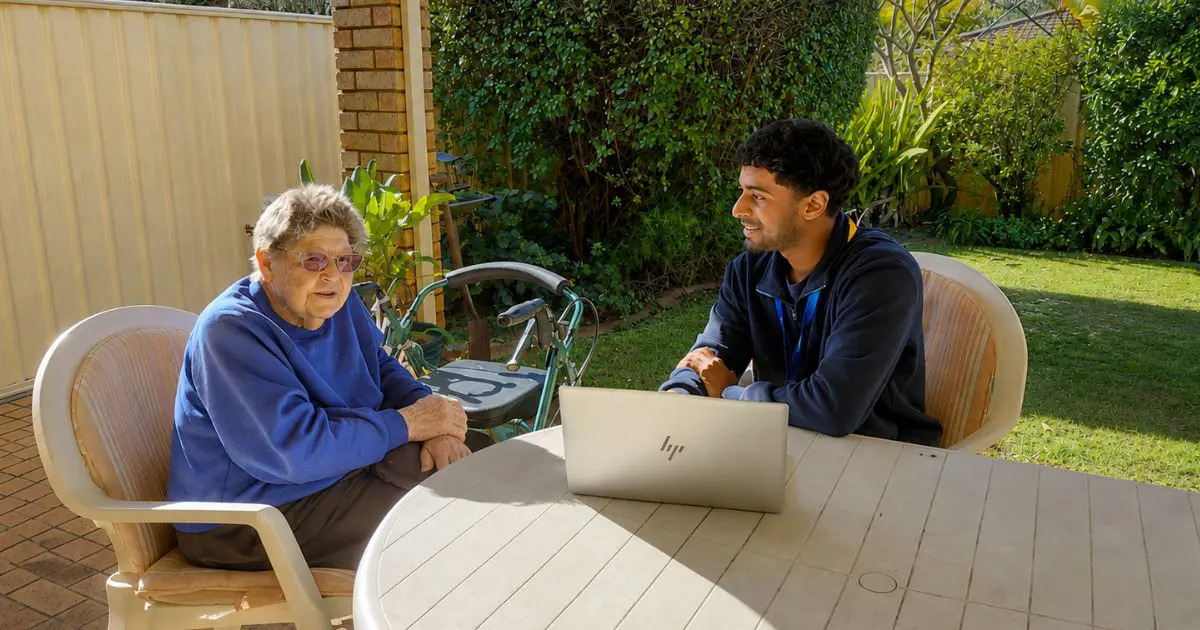
Aged care isn’t provided by one or two key people, it’s a whole team working together to make sure residents and clients get the care and support they need, every day. Some of these people you’ll see often, others are more behind the scenes, but they all play an important part in keeping things safe, comfortable and running smoothly.
So, who is actually in these teams? What do they do, and why does it matter?
In this series, we’ll introduce you to the different roles in aged care, explain what they’re responsible for, and show how they all work together to support you and your loved ones.
What does a dietitian actually do?
When you hear the word dietitian, you might think of meal plans, healthy eating or weight loss. But for older people, a dietitian's role can be much broader than that.
Dietitians are qualified health professionals who help people understand and manage their nutritional needs in a way that works for their health, lifestyle and everyday routine.
At Brightwater, it begins with getting to know the person. A dietitian may talk with a client about their appetite, favourite foods, health conditions, daily routines and any changes they've noticed around eating.
They may also speak with family members, carers and other members of their care team to build a clearer picture of what's happening and make sure everyone is working towards the same goals.
A dietitian may help with:
- Supporting someone who has unintentionally lost weight
- Finding ways to make food more appealing when appetite has decreased
- Helping someone meet their nutritional needs when they aren't eating very much
- Providing nutrition advice for chronic health conditions
- Supporting people with dialysis nutrition
- Providing guidance around tube feeding
- Recommending nutritional supplements where appropriate
- Answering questions about food, nutrition and changing health needs
Their job isn't to tell someone what to eat and send them on their way, but instead to find practical strategies that fit into their everyday life.
Why is a dietitian important?
Food plays an important role in our health, but it's also closely tied to enjoyment, culture, memories and time spent with the people we care about.
As we age or our health changes, eating can sometimes become more difficult. Appetite can decrease, certain foods may no longer be suitable, or someone may simply not have the same energy or ability to prepare meals. This is where a dietitian can help.
For example, if someone has unintentionally lost weight, the goal may not be to eat healthier or lose more weight. It may be about finding ways to get enough energy and nutrition into the foods they already enjoy.
Dietitians can help people to:
- Maintain their strength and energy
- Improve their nutritional intake
- Manage chronic health conditions
- Understand how food can support their health goals
- Reduce the risk of nutrition-related complications
- Continue living safely and independently at home
And sometimes, the most important goal is simply making food enjoyable again.
What does a typical day look like for a dietitian?
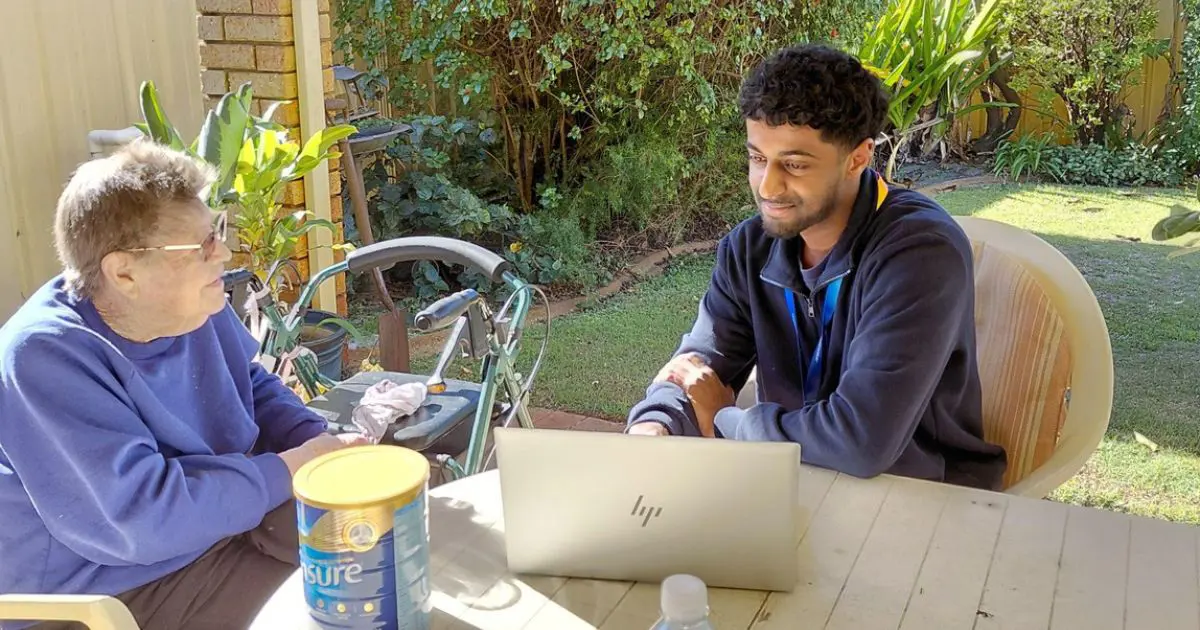
A dietitian's day often begins in the office, reviewing referrals, client notes and care plans before heading out to see clients in their homes or community settings.
A home visit is an important opportunity to understand what eating actually looks like day-to-day. A dietitian may sit down and chat with a client about what they've been eating, whether their appetite has changed, what foods they enjoy and whether anything is making mealtimes more difficult.
Throughout the day, a dietitian may:
- Meet with clients to discuss food, nutrition and health concerns
- Complete nutrition assessments
- Provide personalised advice and recommendations
- Develop practical strategies that fit into daily life
- Set goals with clients and review their progress
- Work with family members and carers
- Liaise with GPs and other healthcare professionals
- Arrange nutritional supplements or follow-up support where needed
The recommendations may be simple, such as finding new ways to make meals more appealing, adapting food to suit a new health condition or finding easier ways to eat healthier.
The key is making sure the advice is realistic and can fit into someone's everyday life.
When are clients and families likely to see or hear from a dietitian?
A dietitian may become involved at any point in a person’s care journey.
A GP, care partner or another healthcare profession may recommend a referral if they notice a nutrition-related concern. Clients and families can also request to see a dietitian if they have any questions or concerns about nutrition.
Common reasons for referral include:
- Unexplained or unintentional weight loss
- Loss of appetite
- Concerns about nutritional intake
- A new health diagnosis
- Support with managing an existing chronic condition
- Questions about nutritional supplements
- Difficulty meeting nutritional needs
- Tube feeding or dialysis nutrition support
Importantly, you don't have to wait until there's a serious problem before asking for support.
If you've noticed a change in someone's appetite, weight or eating habits, or you're simply unsure whether they're getting the nutrition they need, a dietitian can help you understand what's going on and work out what might help.
A dietitian's expertise can make a real difference when eating becomes difficult. They can help families understand changing nutrition needs and find simple ways to make sure someone is getting what they need, while still enjoying the foods they love. Because eating well is important, but enjoying food is too.
Looking for Support at Home?
A dietitian is just one member of the Brightwater at Home team. Discover the range of services we offer to help you stay independent and live well at home.
Explore Support at Home