Tackling Loneliness in Older Australians
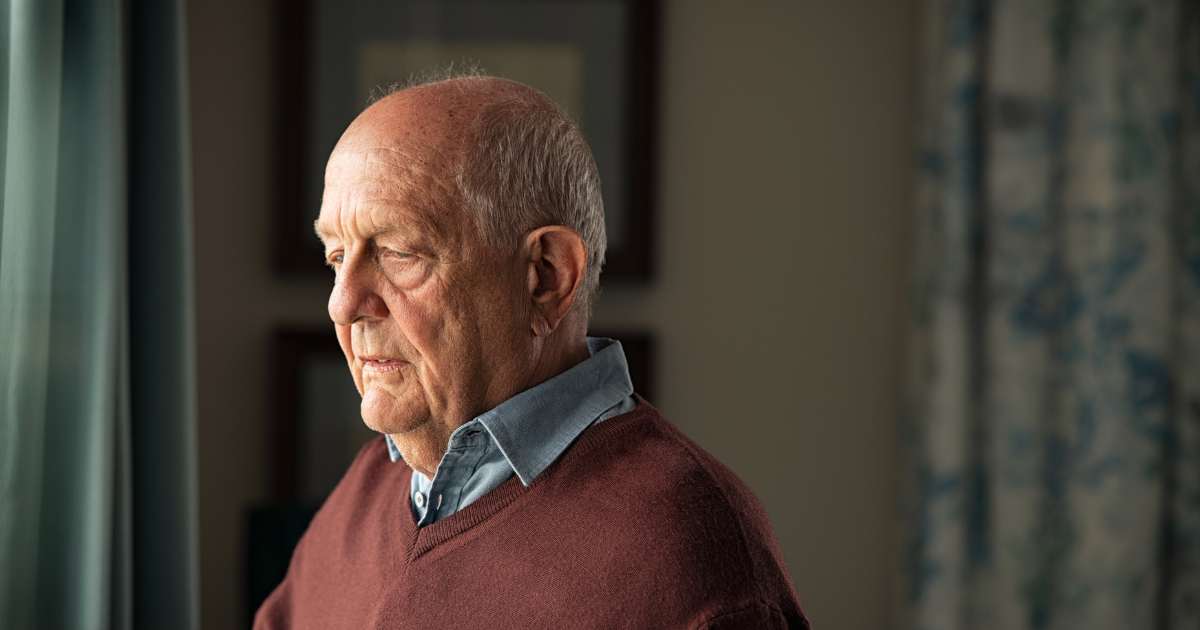
Loneliness can sneak up on you.
Sometimes it’s a quiet house after the last visitor leaves.
Sometimes it’s a phone that doesn’t ring as often as it used to.
For many older Australians, especially those living at home, this feeling isn’t just an occasional bad day, it’s becoming part of everyday life. The familiar chair in the lounge, the garden outside, the TV on in the background… all the routines stay the same, but the people around them slowly fall away.
More seniors are living alone, living longer, and managing health issues that make it harder to get out and about. Over time, a once-busy life can shrink to the walls of a home. For people receiving home care services, there might be a support worker popping in, but long stretches of the day can still feel very empty.
What we’re seeing across Australia is that loneliness and social isolation are quietly on the rise, especially for older people at home. And while we often talk about falls, medication and mobility, we don’t always talk about something just as important: the need for company, conversation and feeling truly connected.
Why loneliness is rising for Australian seniors
There are many reasons loneliness is increasing among older people:
- Changing family patterns – Children may move interstate or overseas, or be busy juggling work, kids and other responsibilities.
- Loss and grief – The death of a partner, siblings or friends can leave big emotional and social gaps.
- Health and mobility issues – It can become harder to get out and about, drive, or use public transport.
- Living alone – More seniors are living by themselves for longer, especially women.
- Digital changes – So much of life now happens online. For people who didn’t grow up with technology, it can feel confusing or excluding.
Feeling lonely isn’t just ‘sadness’. Ongoing loneliness can affect sleep, appetite, energy, mood and even physical health. It can make it harder to manage health conditions, stay active and feel motivated.
Why people receiving home care can be particularly vulnerable
Home care is designed to help people stay independent and safe at home, which is a wonderful thing. But it can sometimes bring hidden risks of isolation, such as:
- Fewer everyday social chats – No regular workplace, school pick-ups or daily errands might mean fewer casual ‘how are you?’ conversations.
- Short visits – Support workers often have limited time, and tasks can be focused on cleaning, showering, or medication, not always on social connection.
- Reduced confidence – After a fall, hospital stay or illness, people can lose confidence in going out or seeing friends.
- Reliance on others – If you can’t drive or walk far, you may need someone to take you to social activities – and that’s not always easy to organise.
Home care clients might technically have ‘support’ but still feel deeply alone between visits. That’s why emotional and social support are just as important as practical help.
How you can help reduce social isolation among seniors
The good news is that it doesn’t take grand gestures to make a big difference. Small, regular moments of connection can be powerful.
1. Start with simple, consistent contact
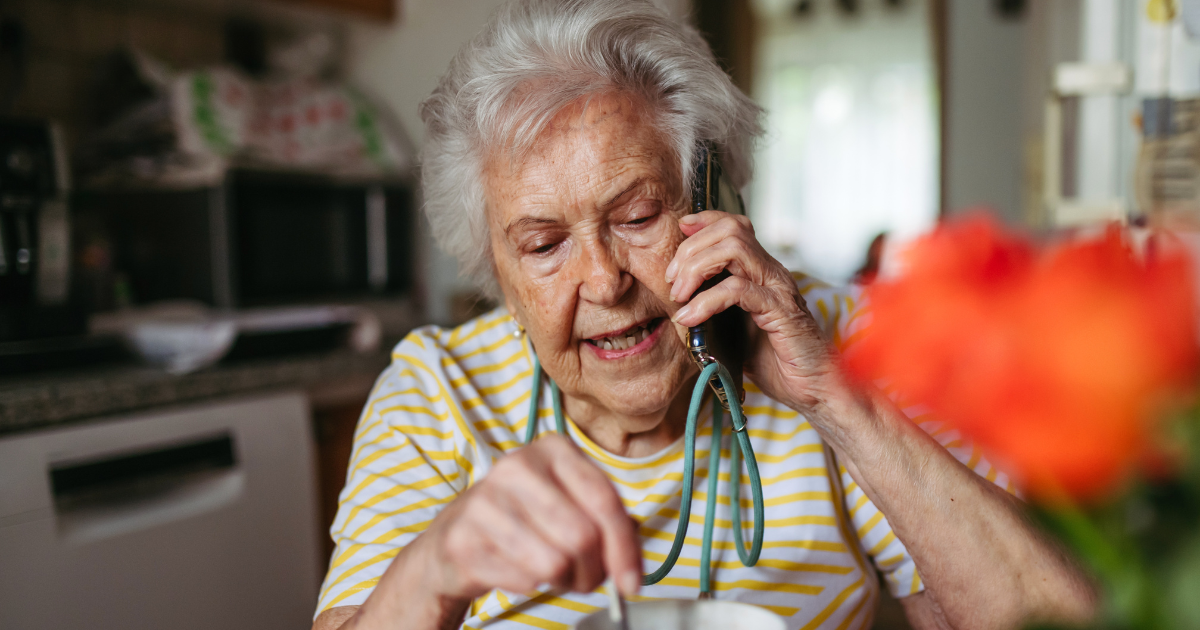
- Regular phone calls – Even a 10-minute call once or twice a week can break up long, quiet days.
- Short visits – You don’t need to stay for hours. A cuppa, a chat and a check-in can be enough.
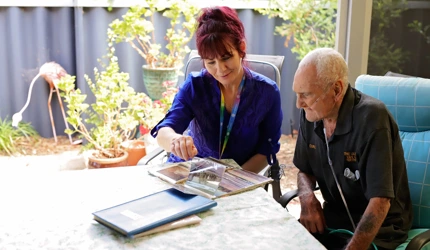
- Share everyday moments – Show photos, talk about local news, ask for their advice – it helps people feel included and valued.
2. Ask, ‘What do you miss?’
Many older people will say things like:
- ‘I miss going for a coffee.’
- ‘I miss the bowls club.’
- ‘I miss having someone to talk to in the evening.’
Once you know what they miss, you can look for small ways to bring parts of that back – even if it’s a shorter outing, a weekly coffee at home, or joining a local group.
3. Help them stay connected to their community
You could:
- Offer a lift to community centres, clubs or church.
- Help find local seniors’ groups or activities they might enjoy.
- Encourage them to invite a neighbour in for tea.
- Help them attend family events, even if only for a short time.
4. Support their independence where possible
Sometimes, doing everything for someone can accidentally make them feel more helpless and isolated. Instead:
- Encourage them to do what they can safely – even small tasks.
- Involve them in decisions about their care and routines.
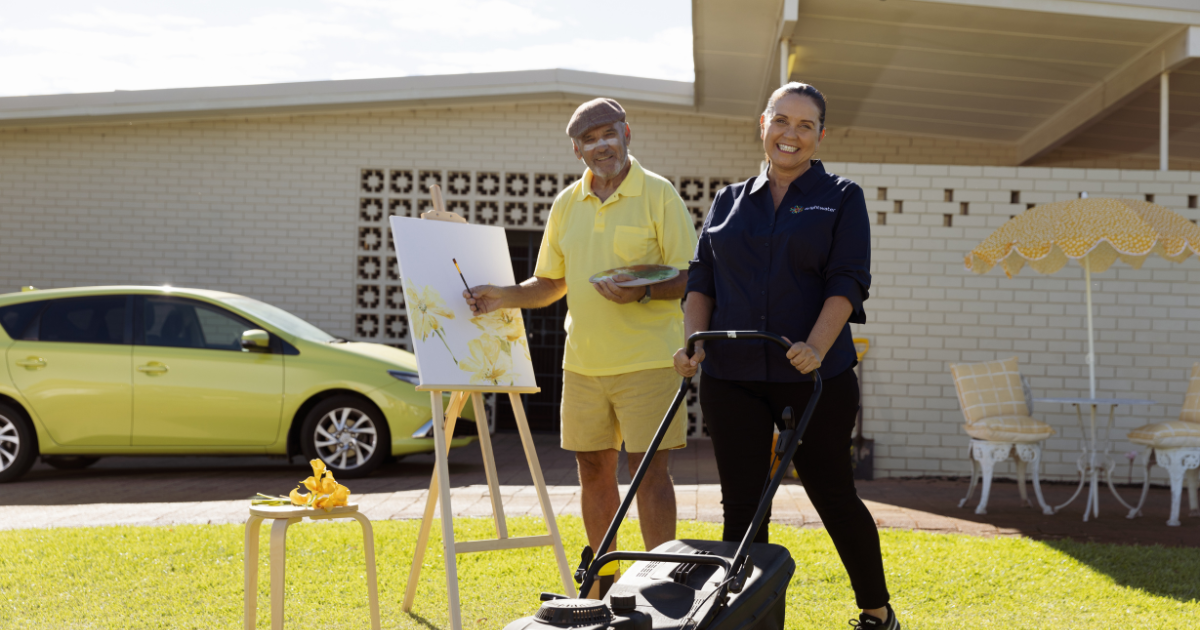
- Help them keep doing the hobbies and roles that matter to them.

How Support at Home services can help
While family and friends are important, they can’t always do everything. That’s where Support at Home services can play a big role in reducing loneliness, not just meeting basic needs.
Support at Home can include:
Help to get out and about
Transport and support to:
- Social groups or clubs
- Shopping centres or cafés
- Community events or appointments
Being able to leave the house, even occasionally, can make a big difference to mood and confidence.
Allied health and wellbeing support
Services like physiotherapy, occupational therapy or exercise programs at home can help people stay mobile, safe and confident enough to keep connecting with others.
Dementia-specific support
For people living with dementia, routines, familiar faces and gentle social activities are especially important. Support at Home can be tailored to match their needs, likes and abilities.
Talk to your Care Partner on how you can incorporate social and emotional support into your care plan. Connection is part of good care.
Click here for more information about Support at Home servicesUsing technology to bring people closer
Technology can’t replace human contact, but it can open new doors for connection, especially for people who can’t get out as much as they used to.
Brightwater is exploring new ways to use technology to support older people through initiatives like the Tech Innovate Challenge. This project invites corporate partners and innovators to work with Brightwater on clever tech solutions that can improve independence, safety and wellbeing for clients at home and in care.
You can read more about it here.
These types of projects are helping answer important questions, such as:
- How can we use technology to help people feel less alone?
- What tools can make it easier to stay safely at home and still feel connected?
- How can we make technology more friendly and accessible for seniors?
Bringing sunshine back to the phone
For many older people, the phone is a lifeline, a way to stay close to family, friends and community. Brightwater’s Sunshine Calls pairs volunteers with Brightwater at Home clients for regular friendly phone calls, offering connection, conversation and a familiar voice to look forward to.
These calls might be a weekly chat about family, hobbies or everyday life, or simply a chance to check in and see how someone is feeling. By matching clients with the same volunteer over time, Sunshine Calls helps build real relationships, gently easing feelings of loneliness and helping to reduce social isolation for people who may not be able to get out as often as they’d like.
Even a short call can brighten the day, bringing a little “sunshine” back to the phone.

You don’t have to face this alone
Loneliness in older age is not a personal failure, and it’s not ‘just part of getting old’. It’s a signal that someone needs more connection, support and understanding.
If you’re worried about a loved one receiving home care, or about your own loneliness, it may help to:
- Talk openly with your home care provider about how you’re feeling
- Ask for more social support in your care plan
- Explore community groups, technology options and programs
- Start with small, manageable changes – one extra visit, one call, one outing
Brightwater’s Support at Home services are designed not only to help with daily tasks, but to support quality of life – including emotional and social wellbeing.
Sometimes, one extra connection can be the first step out of loneliness.