Early in her career, Bre Rasmussen was given a piece of advice that has stayed with her ever since.
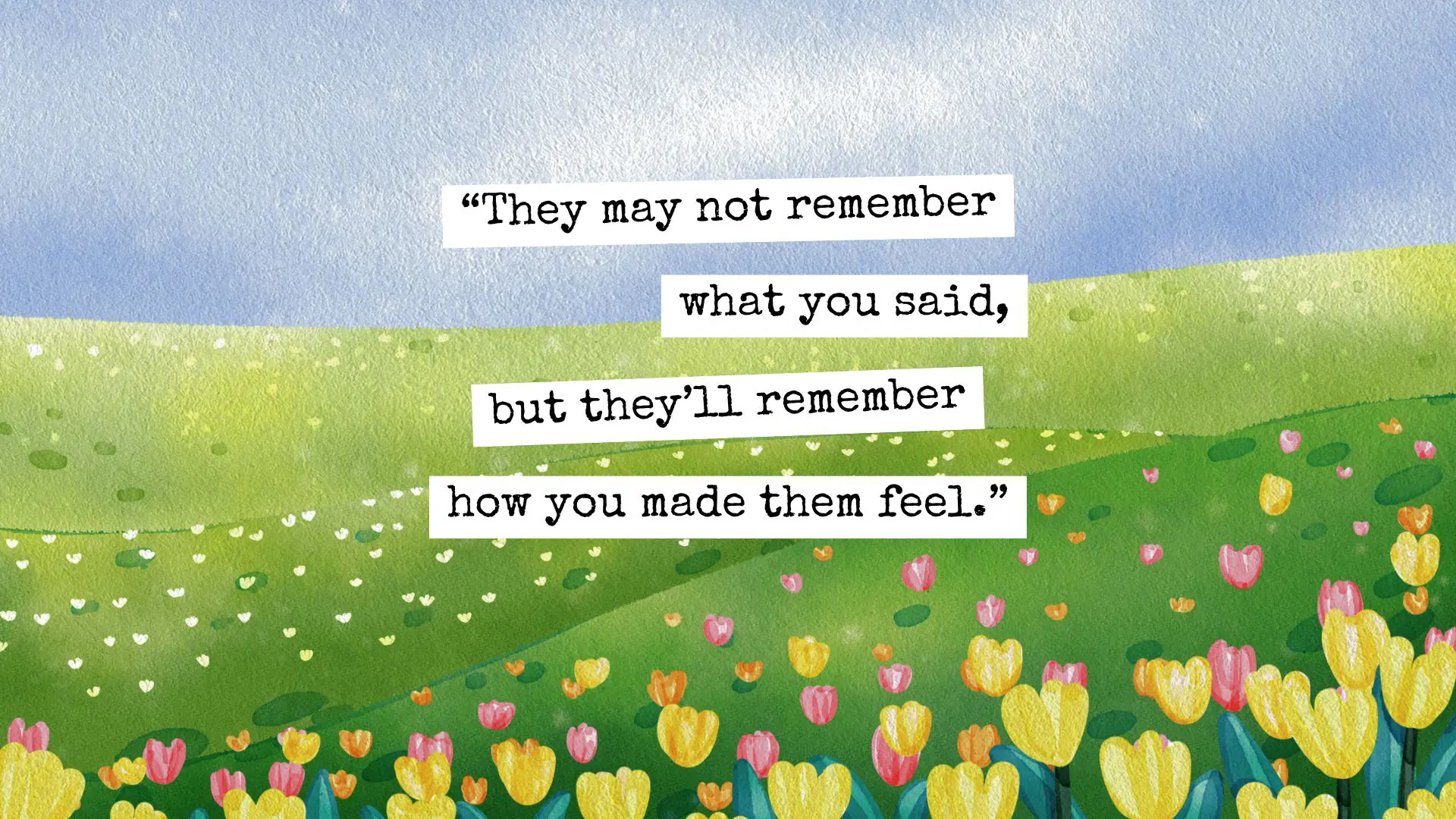
"A person living with dementia might not remember what we say or do, but they will remember how we made them feel."
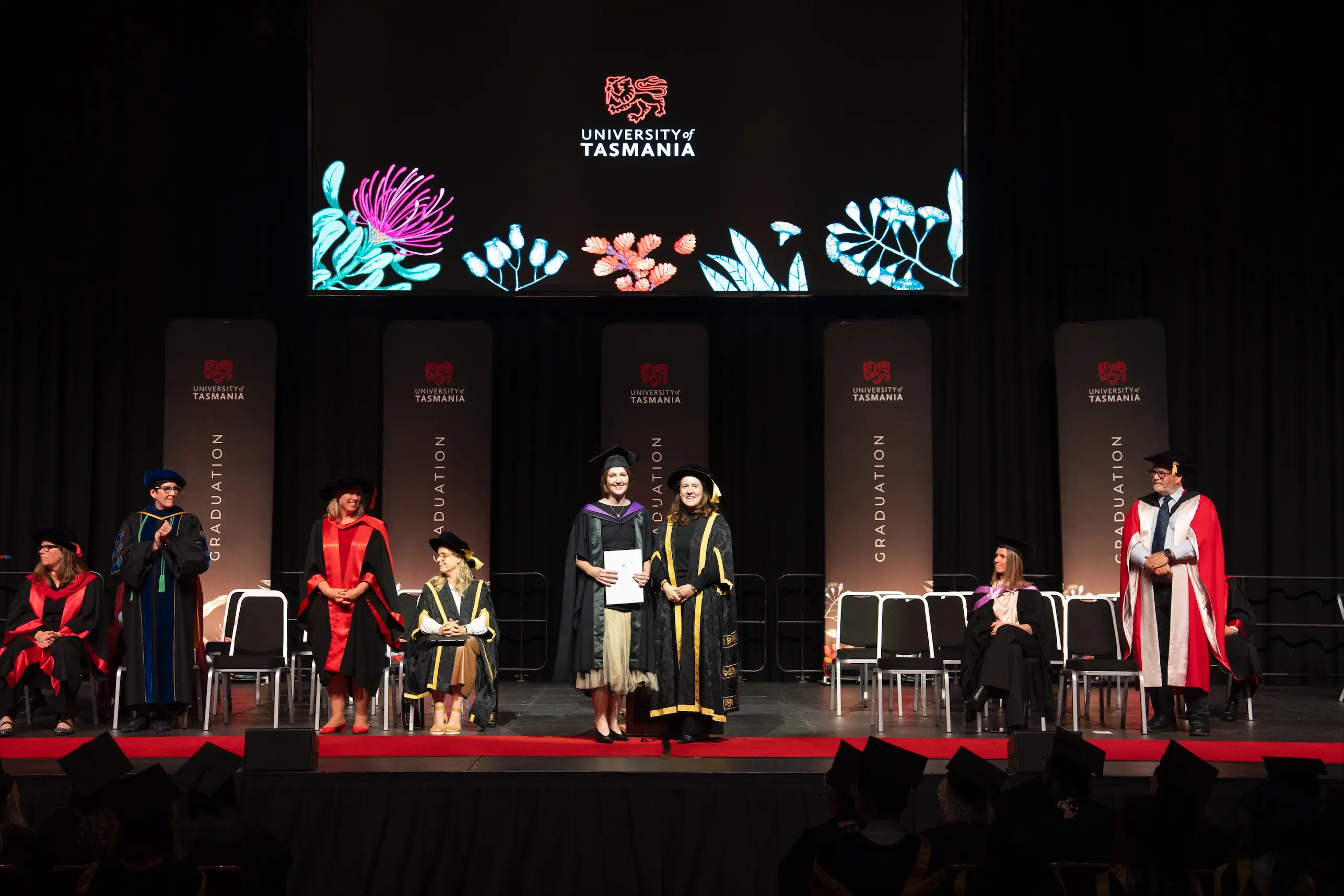
That idea has shaped the way Bre approaches her work across residential aged care and now as an Allied Health Service Lead at Brightwater. It’s also what inspired her to recently complete a Master of Dementia Care through the University of Tasmania.
Bre has spent much of her career working directly with people living with dementia and says it’s a space she’s always felt drawn to.
“I’ve loved working with people living with dementia for a long time,” she says. “That advice really stuck with me, and I’ve always tried to make every interaction positive and meaningful.”
When care leads you to learn more
Pursuing further study wasn’t about stepping away from hands-on care. For Bre, it was about understanding dementia more deeply so she could support people better in the moments that matter most.
The Master of Dementia Care gave her the chance to explore the condition from multiple angles, while staying grounded in real-world practice. It also reinforced something she’d noticed throughout her career.
“There’s so much evidence showing how effective allied health interventions can be for people living with dementia,” she explains. “But sometimes that evidence doesn’t translate easily into everyday practice.”
That gap between research and reality is where Bre sees opportunity.
Turning knowledge into practice
One area Bre is particularly excited about is helping teams feel confident applying evidence-based approaches in their everyday work.
She points to Cognitive Stimulation Therapy (CST) as one example. CST is a structured, evidence-based program that supports cognitive engagement and wellbeing for people living with dementia. Through her studies, Bre deepened her understanding of how approaches like CST can make a meaningful difference when they’re delivered thoughtfully and consistently.
“I’m passionate about empowering our allied health team to understand and deliver strategies like this,” she says. “It’s about helping people continue to work towards their goals and age well in the community.”
As Brightwater continues to explore and grow its approach to CST, Bre’s learning is helping shape how evidence-based programs can be introduced in ways that feel practical, person-centred and grounded in real life.
Learn more about how Brightwater is supporting Cognitive Stimulation Therapy here.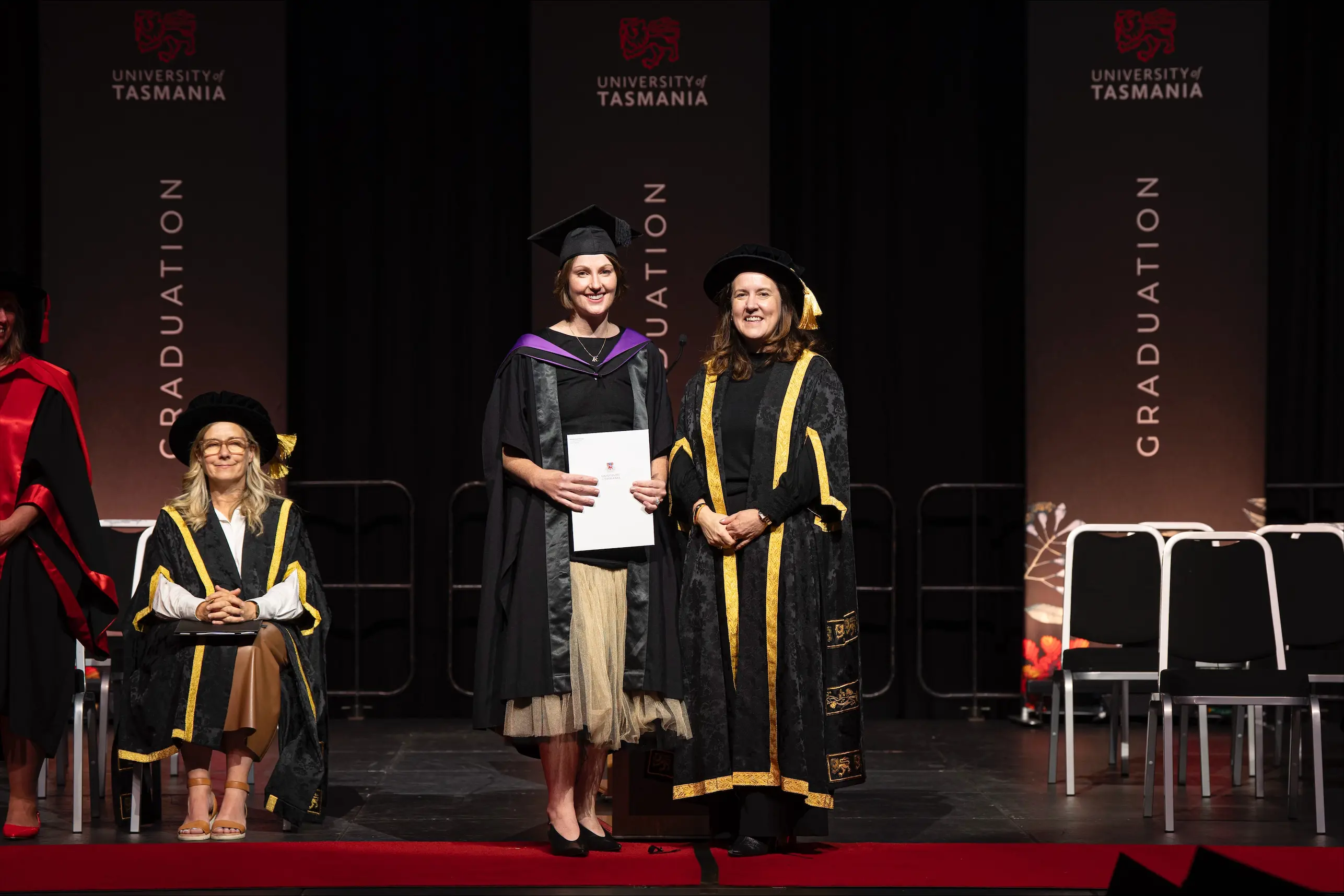
The chance to make change, one step at a time
In her role as an Allied Health Service Lead, Bre is motivated by the potential to create meaningful change, not all at once, but steadily and thoughtfully.
“I love the potential this role has,” she says. “There are so many opportunities to build on the high-quality services we already provide.”
Her focus is on embedding person-centred care planning and goal-directed approaches, making sure care continues to reflect what matters most to each individual.
“It’s about prioritising and taking those first steps,” she says. “That’s how real change happens.”
Encouraging others to keep learning
Balancing work, life and study isn’t easy, and Bre is the first to acknowledge that. But she’s quick to encourage others who are considering further education.
“If you have the time and the passion, go for it,” she says. “It can be challenging, but it’s incredibly rewarding.”
Her advice is practical and honest. Stay organised. Break things into manageable steps. And most importantly, choose a topic you genuinely care about.
“That passion is what keeps you going when things get tough,” she says.
At Brightwater, Bre's experience reflects the space people are given to keep learning and bring that learning into their work in ways that feel meaningful to them. It's about having the support and trust to keep growing, and to do the work in a way that feel true to who you are.
Why this work matters
For Bre, further study was never just about the qualification. It was about showing up better in the moments that matter, whether that’s with a person living with dementia or a colleague looking for guidance.
What she’s learned continues to show up in conversations, in how care is planned, and in the small, everyday interactions that shape someone's experience.
And it all comes back to the same idea she learned early on in her career: people might forget the details, but they won’t forget how you made them feel.