
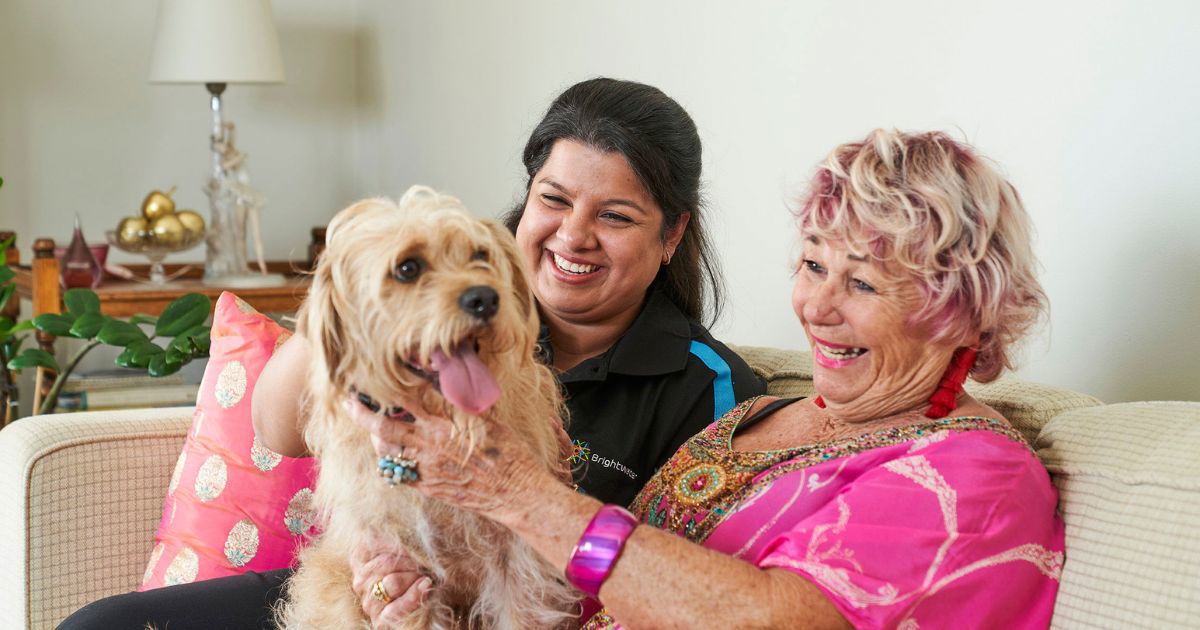
Aged care isn’t provided by one or two key people, it’s a whole team working together to make sure residents and clients get the care and support they need, every day. Some of these people you’ll see often, others are more behind the scenes, but they all play an important part in keeping things safe, comfortable and running smoothly.
So, who’s actually in these teams? What do they do, and why does it matter?
In this series, we’ll introduce you to the different roles in aged care, explain what they’re responsible for, and show how they all work together to support you and your loved ones.
What is a Social Worker?
A Social Worker supports clients and families to navigate life changes, access the right services and plan for the future.
Their role focuses on both practical support and emotional wellbeing. This can include:
- Linking clients and carers to community resources such as support groups and respite services
- Supporting future planning, including home care, residential care and accommodation options
- Assisting with processes such as residential aged care applications and service reports
- Providing support with legal and decision-making documents, such as Enduring Power of Attorney (EPA), Guardianship (EPG) and Advance Health Directives (AHD)
- Supporting Centrelink enquiries and access to subsidies such as transport assistance (e.g. TUSS)
- Assisting with assessments, applications and referrals, including SAT and capacity testing
- Writing support letters for services such as Department of Housing or NDIS
- Linking with hospitals, GPs, mental health services and other providers
- Providing emotional support to clients and carers
- Supporting advocacy, rights and decision-making
Social Workers help bring clarity and support during times that can feel complex or overwhelming.
Why is a Social Worker important?
A Social Worker is important because they help people understand their options, access support and make informed decisions about their care and future.
They:
- Help navigate complex systems such as aged care, housing and community services
- Support clients and families during times of change, including after hospital stays
- Provide guidance on important decisions about care, living arrangements and future planning
- Advocate for clients’ needs, preferences and rights
- Support carers and families emotionally and practically
- Connect people with the right services to improve wellbeing and independence
When support is in place, clients and families feel more confident, informed and supported in making decisions.
What does a typical day look like for a Social Worker?
A Social Worker’s day can vary depending on the service they work in, including home care, transition care or residential care.
A typical day may include:
- Meeting with clients in their home or speaking with them and their families over the phone
- Responding to referrals from Care Partners, Coordinators or other team members
- Exploring support needs and identifying appropriate services
- Assisting with applications, documentation or referrals
- Liaising with hospitals, GPs and other providers
- Providing emotional support and guidance
- Following up with clients as needed
Much of the work also happens behind the scenes, coordinating services and ensuring the right supports are in place.
When are clients and families likely to see or hear from a Social Worker?
Social Workers usually become involved through a referral, either from a staff member or at the request of the client or family.
Clients and families are likely to hear from a Social Worker:
- When additional support or guidance is needed
- During times of change, such as after a hospital stay
- When planning for future care or living arrangements
- When navigating applications, services or assessments
- When emotional support or advocacy is required
Support may be short-term or ongoing, depending on each person’s needs.