

It might start with something small: the kettle you’ve always used, the neighbour who waves from across the verge, the photo on the hallway wall you barely notice anymore because it’s simply there. Home holds a lot of life. And for many older Australians, the idea of staying in that familiar place, surrounded by routines, memories, and community, just feels right.
That’s the heart of ageing in place.
What ‘ageing in place’ means
Ageing in place means living safely and comfortably in your own home (or a home-like setting in your community) as you grow older, with the right supports in place. It doesn’t mean doing everything alone, and it doesn’t mean ‘never moving no matter what.’ It means having choice, maintaining independence, and getting practical help as needs change.
The U.S. National Institute on Aging describes ageing in place as growing older at home with the supports needed to stay safe and independent.
In Australia, research also points to ageing in place as something many people want, but it works best when housing, services, transport, and social connection all line up around the person.
Why ageing in place can be a positive choice
There’s no single ‘right’ way to age. But for many people, ageing in place can offer real benefits.
Comfort, identity, and control
Home is more than a building, it’s where you know where everything is, how the light falls in the afternoon, which floorboard creaks. Staying in a familiar environment can support confidence and emotional wellbeing.
Staying connected to what matters
Ageing in place can make it easier to keep up with:
- trusted local GPs and allied health providers
- neighbours and community groups
- nearby family, friends, and routines.
Independence, with support where it helps most
Ageing in place often works best when support is tailored, helping with the things that have become difficult, while leaving you in control of the rest.
A gentler pace of change
Big moves can be stressful at any age. For some people, the ability to remain at home while gradually adding supports (instead of making a sudden change) feels more manageable.
What ageing in place actually involves
Ageing in place tends to work well when you plan for four practical areas: the home, health, daily life, and connection.
1. A safer, more comfortable home
Many people can remain at home longer with a few thoughtful changes. The National Institute on Aging highlights the role of home safety and modifications in supporting independence.
Common examples include:
- improved lighting (especially hallways and steps)
- non-slip flooring or mats
- easier-to-use taps and door handles
- small changes to reduce trip hazards (cords, clutter, loose rugs).
Sometimes, it’s not ‘big renovations,’ it’s the small tweaks that make everyday life easier and reduce falls risk.
2. Support with everyday tasks
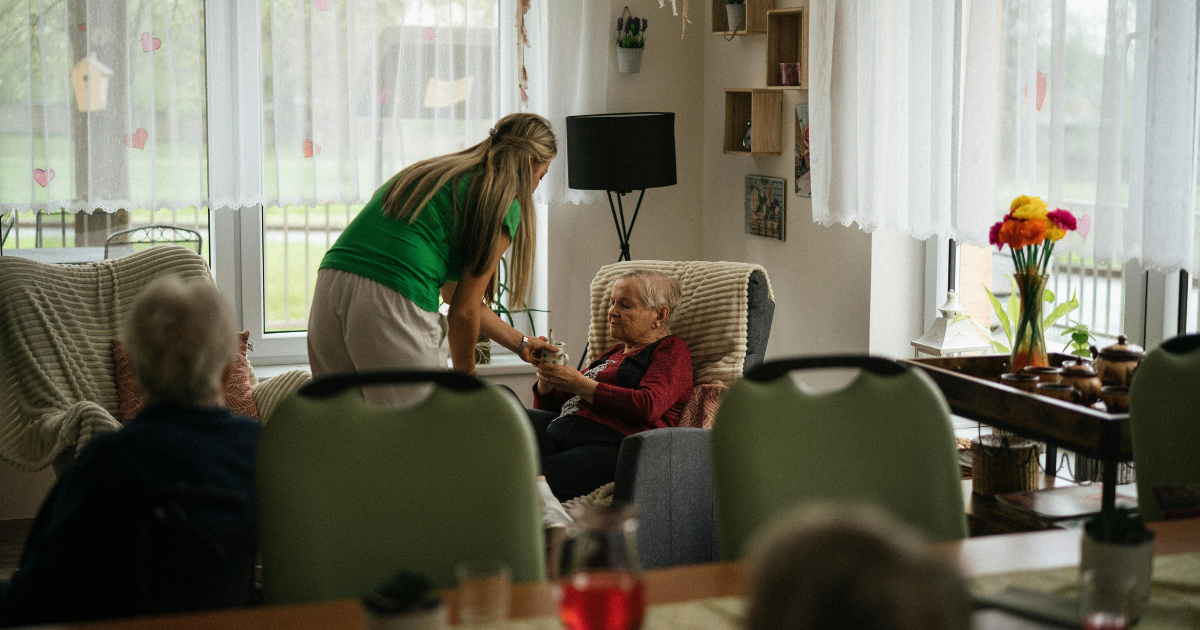
Ageing in place often involves a mix of supports, depending on what you need now and what might change later. This can include:
- help with cleaning, laundry, or shopping
- meal preparation
- transport to appointments
- medication prompts
- personal care (like showering support)
- nursing or allied health services when required.
The goal isn’t to take over, it’s to make life at home workable and less tiring.
3. Health planning that fits real life
Health needs can shift gradually (or sometimes suddenly). Ageing in place is easier when you have:
- regular check-ins with health professionals
- a plan for ‘what if’ moments (for example, after a fall or hospital stay)
- a clear list of medications and important contacts
- support for carers, if family are helping.
4. Social connection (because loneliness isn’t “just part of getting older”)
This part matters so much, and it’s often overlooked. Even if you love being home, it can become isolating if driving becomes harder, friends move away, or health changes limit outings.
Australian research has emphasised that for ageing in place to work well, people need more than just housing, they need access to services and community supports that keep life connected.
Connection can look like:
- a regular visitor or phone call routine
- help getting to community activities
- technology that makes it easier to keep in touch
- local groups, libraries, community centres, or faith communities
It’s not about being busy every day. It’s about not feeling alone.
Challenges to ageing in place (and how people work around them)
Ageing in place is a wonderful option, but it’s not always simple. Some common challenges include:
- Home maintenance getting harder (gardens, repairs, heavy cleaning)
- Falls risk as mobility changes
- Transport limitations, especially if driving stops
- Carer strain when family try to do everything
- Social isolation, particularly after loss or illness
The good news is that these challenges are often addressable with early planning, the right services, and flexible support.

Supporting ageing in place in WA
If you’re in Perth, Brightwater at Home supports people to keep living in the place they know best, for as long as it’s right for them.
Practical support that’s shaped around you
Brightwater’s home care services are designed to help with everyday tasks and changing needs, so home remains a safe, comfortable place to live.
Depending on the type of support you’re accessing, that might include help around the home, personal support, transport, social supports, and other services that reduce stress for both clients and families.
The most important part is flexibility: ageing in place works best when support can scale up or down as life changes.
BrightRespite: a short break that can make a big difference
Sometimes the key to staying at home isn’t more willpower, it’s a breather.
Brightwater at Home’s BrightRespite program is a retreat-style program to support people living at home with dementia and the carers who support them. It is designed to refresh and empower carers while providing quality care and enriching activities for people experience cognitive changes.
It’s an opportunity for carers to gain vital skills, connect with others who share similar experiences, and rediscover balance in their caregiving journey.
Brightwater’s Centre for Research and Innovation
Improving what ageing in place can look like
Ageing in place isn’t just about services today; it’s also about building better solutions for tomorrow.
Brightwater’s Centre for Research and Innovation focuses on research and practical innovation that improves quality of life, including for people living at home.
Tackling social isolation through technology and new ideas
Social isolation can quietly creep in, even when everything else seems ‘fine.’ Brightwater has highlighted this issue through initiatives such as the Tech Innovate Challenge, which supports ideas and partnerships aimed at addressing social isolation and improving connection.
The message is simple: staying at home should still mean staying connected; to people, to purpose, and to community.
If you’re thinking about ageing in place, here are a few gentle first steps
You don’t need to have everything figured out today. A good start can be:
- Look around your home with fresh eyes: What’s already working well? What feels harder than it used to?
- Have a simple ‘what if’ plan: If you got sick for a week, who would help? If you had a fall, what would happen next?
- Talk with family early: Not to make big decisions, but to share what matters to you.
- Build support before you’re in crisis: It’s easier to adjust when you’re choosing supports calmly, not urgently.
- Prioritise connection: Schedule the catchups, the calls, the outings; whatever ‘connection’ looks like for you.
Staying home, with support, and with dignity
Ageing in place can be a deeply positive choice because it keeps life grounded in the familiar. But it works best when it’s not treated as ‘going it alone.’ The right mix of home safety, practical support, health planning, and social connection can make staying at home not just possible, but genuinely good.
If you’re exploring what ageing in place could look like for you or someone you care about, Brightwater’s home care services, BrightRespite program, and research into connection and wellbeing are all part of a broader commitment to helping older Western Australians live well, right where they are.
For more information about how Brightwater can help you to age in place
Give us a call on 1300 223 968 or email [email protected]
Or Contact Us Here

